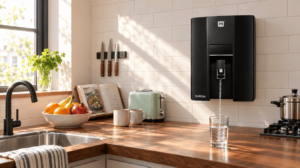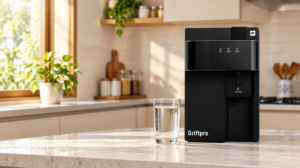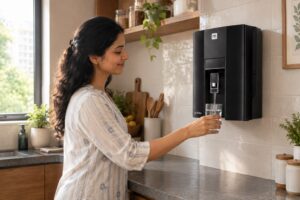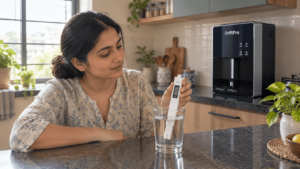


Clean drinking water is essential for every household, yet many people rely on a supply that is untreated or has hidden problems. You cannot always tell the quality of your water just by looking at it, but silent, hidden contaminants can pose a real threat to your family’s health and well-being. This is a common issue in India, and it requires attention. Understanding the specific issues with your home water is the first step towards a solution. Learn the key signs your water needs proper purification and why finding the best water purifier for home is necessary to ensure safety!
Also Read: 6 Benefits Of RO Water Purifiers for Your Home In Bangalore
Does Water Quality Really Matter?
Access to clean water is a fundamental need, especially considering the diverse sources of water supply across India. Whether your home receives municipal tap water, relies on a borewell, or uses tanker services, the original source can carry invisible impurities. Ensuring the safety of the water you drink is vital for your family’s health and well-being.
Water Quality is Essential for Health
Water quality truly matters because safe drinking water is the most basic requirement for good health. Contaminated water leads to various waterborne diseases, affecting people of all ages. You must protect your family from impurities that travel unseen through your water pipes or exist naturally in groundwater. Clean water helps your body function correctly and keeps you healthy in the long run.
Also Read: Best Water Purifiers In Mumbai: How To Choose One For Home
Different Sources, Different Risks
Your home’s water comes from different sources, and each one presents unique risks. Many urban homes use municipal (or piped) supply, but infrastructure issues can cause contamination along the way. Homes relying on borewell water draw directly from the ground, which often contains high levels of minerals or natural toxins. In some areas, water arrives via tanker, making its quality dependent on the source and the transportation method. For any home, a water purifier for home is an essential layer of protection.
Hidden Threats in Your Supply
Water can look clear, but it often hides harmful contaminants. These include microscopic bacteria and viruses that cause immediate illness. Additionally, you find heavy metals like lead, arsenic, and mercury, which leach into the water from industrial waste or natural deposits, posing serious long-term health risks. Finally, chemical contaminants, such as pesticides and chlorine by-products, can also be present. A high-quality water purifier RO system for home can remove these hidden threats.
Also Read: Best pH Level Of Drinking Water: Is 9.5 Good For You?
Key Signs You Need a Water Purifier for Home
You may not always see or taste the problems lurking in your water supply, but your body and your home often give clear signals when the quality is poor. Ignoring these signs can lead to health problems and damage to your household appliances. Learning to spot these indicators helps you ensure you have the best water purifier for your home, protecting your family’s well-being.
1. Bad Taste or Odour in Water
If your water smells strongly of chlorine, tastes metallic, or simply has an unpleasant, earthy odour, it means contaminants are present. A strong chlorine smell usually indicates excessive disinfectants, while a metallic taste often signals dissolved heavy metals. Foul or earthy odours can point to organic matter or bacterial contamination. Clean drinking water must be free from any noticeable smell or taste.
Also Read: Diseases Caused by Contaminated Water: Can a Purifier Help?
2. Visible Sediment or Cloudiness
When you fill a glass and the water looks cloudy, hazy, or contains tiny floating particles, you have a problem with visible sediments. These could be dust, fine sand, or even rust particles broken away from old pipes. This cloudiness is a clear sign of poor source filtration or corrosion in the plumbing. Sediment can harm your health and clog your plumbing system, making a reliable water purifier for home essential.
3. Frequent Stomach Infections
If people in your household often suffer from unexplained stomach upsets, diarrhoea, or other digestive issues, the source could be the water you drink. Unfiltered water, especially from unknown sources, commonly carries microscopic threats like bacteria, viruses, and parasites. These contaminants are invisible to the naked eye but pose a serious health risk, highlighting the need for a water purifier RO system for home.
4. Hard Water Stains on Utensils and Appliances
Noticing white, chalky scaling on your kitchen taps, shower heads, kettles, or inside your cooker? These are hard water stains. They indicate high levels of TDS, mainly calcium and magnesium. While usually not a direct health threat, high TDS causes scaling, which reduces the lifespan and efficiency of your appliances. High TDS needs treatment, often provided by the best reverse osmosis water purifier.
Also Read: Should You Use RO Water Purifier for Soft Water?
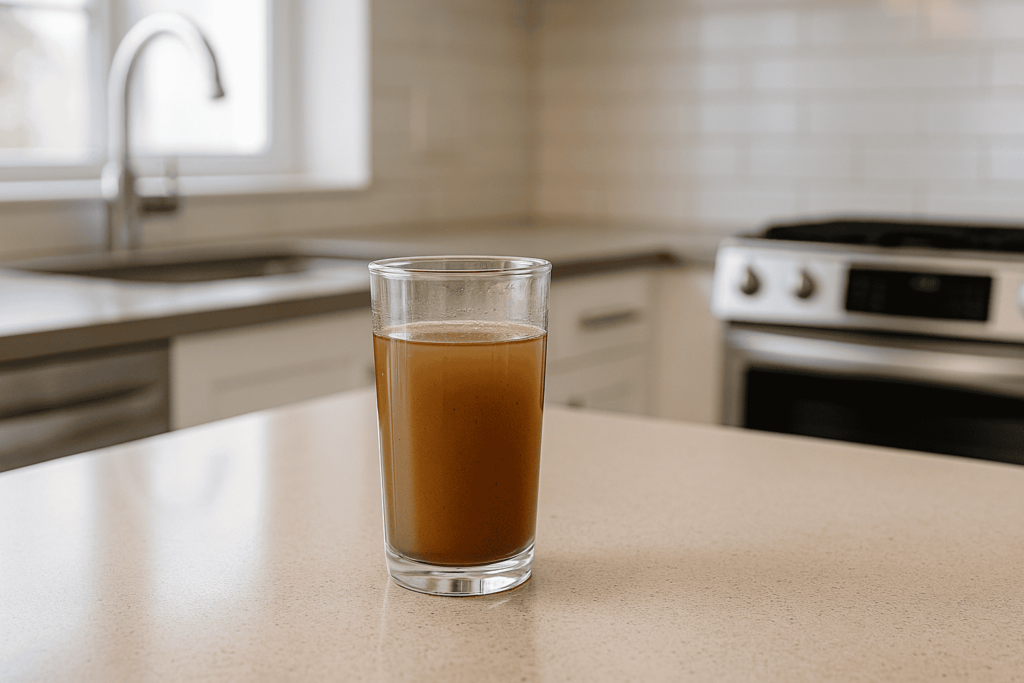
5. Discoloured Water
Water that comes out of the tap with a yellow, brown, or even greenish tint is a major warning sign. A yellow or brown tint typically indicates the presence of rust or manganese, often suggesting pipe corrosion or excessive iron content in the source. Greenish hues can point to copper or other chemical contamination. You must not consume discoloured water; it needs immediate purification.
6. Uncertainty About Water Source
Many people in India rely on borewell water or periodic tanker supplies, making the source quality hard to guarantee. Borewell water, while natural, often has high mineral levels, excessive fluoride, or heavy metal contamination. Tanker water quality varies greatly depending on the supplier and storage conditions. If you are unsure about your water’s safety standards, you must filter it.
Also Read: TDS For Drinking Water: How Much TDS Is Healthy In Water?
How the Best Water Purifier for Home Solves These Issues
Now that you know the hidden threats in your water, you must understand how the best water purifier for home acts as your frontline defence. These appliances use advanced, multi-stage technology to tackle everything from invisible microbes to dissolved minerals. They don’t just filter; they purify, ensuring every drop you drink is safe and clean, regardless of its source.
RO Technology: Tackling Heavy Metals and TDS
Reverse Osmosis (RO) technology is crucial for solving the problem of hard water and hidden heavy metals. The RO membrane has extremely fine pores that effectively push out dissolved salts, contaminants like arsenic and lead, and excessive Total Dissolved Solids (TDS). This feature is what makes an RO water purifier essential for homes with a borewell or high-TDS municipal supply, leaving behind water that is healthier for consumption and appliances.
Also Read: RO + UV Water Purifier For Home: Know Why You Need It
2. UV Purification: Eliminating Microbes
Ultra-Violet (UV) purification works by exposing the water to a powerful UV lamp. This process instantly deactivates harmful microorganisms like bacteria and viruses by destroying their DNA. UV purification ensures that even if microbes bypass earlier filters, they are rendered harmless before the water reaches your glass. This stage provides guaranteed safety against waterborne diseases, especially important for any water purifier for home.
3. UF and Carbon Filters: Removing Visible and Chemical Threats
The purification process begins with pre-filters, often including Ultra-Filtration (UF) and activated carbon. The UF filter physically removes large suspended particles, dust, and rust, directly addressing the issue of visible sediments. The activated carbon filter is highly effective at absorbing chemicals like excess chlorine and other organic impurities, thereby eliminating the bad taste and foul odour that often plague tap water.
4. Smart Purifiers That Adapt to Water Quality
Modern purification systems go a step further. Many have smart features that automatically sense the quality of the incoming water, particularly the TDS level. Based on this analysis, the water purifier RO system for the home adjusts its purification settings. This intelligent mechanism ensures optimal water quality and also maximises water savings, providing both efficiency and superior purification tailored to your specific supply.
Also Read: Home Water Purifier vs 20-Liter Cans: Best Choice for You
You cannot afford to compromise when it comes to the water you drink. The signals your home gives—from the white scales on your appliances to the mysterious bad taste—are crucial indicators that your water quality is not up to standard. A high-quality best water purifier for home is the definitive solution, as it combines the proven effectiveness of RO, UV, and advanced filtration technologies. Ultimately, using a reliable water purifier RO system for the home is a simple, smart choice that ensures your family receives clean, safe drinking water, protecting their health and well-being for years to come.
Also Read: How To Calculate TDS for Drinking Water At Home
Frequently Asked Questions
1. How to know which water purifier is the best?
The best water purifier for home depends on your water source and TDS level. If your water has high TDS or heavy metals, an RO water purifier works best. For municipal supply with low TDS, UV or UF purifiers are effective. Always check TDS, filtration technology, capacity, and maintenance before choosing.
2. Are water purifiers good for your health?
Yes, a water purifier is good for your health as it removes impurities, harmful chemicals, bacteria, and excess salts. Using the best water purifier for home ensures safe drinking water, reduces waterborne diseases, and improves digestion and overall wellness.
3. What to check while renting an RO purifier?
When renting an RO water purifier, check the TDS removal efficiency, filter replacement cycle, service support, and rental charges. Opt for a model with multi-stage purification to ensure clean and safe drinking water for your family.
4. What is the right TDS for the RO water purifier?
The ideal TDS level for drinking water from an RO purifier is 50–150 ppm. If the TDS is too low, water may lose essential minerals. If it is too high, the water can taste salty and be harmful. The best water purifier for home keeps TDS balanced for safe and healthy water.
5. What is the normal pH in water?
The normal pH of drinking water is 6.5 to 8.5. Water within this range is considered safe and healthy. The best water purifiers for home maintain balanced pH levels, ensuring the water is neither too acidic nor too alkaline.