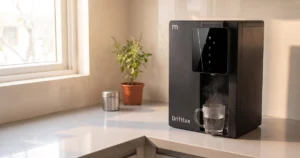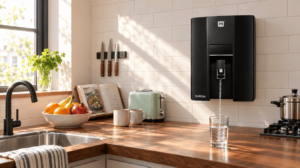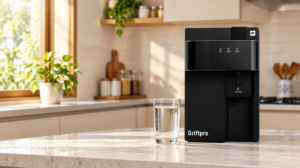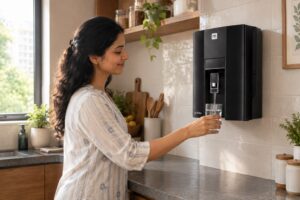



Clean drinking water is essential for good health, but with so many water purification options available today, choosing the right system can feel overwhelming. Among all the choices, RO + UV water purifiers stand out as one of the most effective solutions for ensuring your family gets safe, pure water every day. These advanced systems combine two powerful purification technologies to give you truly clean and safe drinking water. RO effectively removes dissolved impurities like chemicals, heavy metals, and salts that traditional filters might miss. Following this, UV purification deactivates harmful bacteria, viruses, and other microorganisms, ensuring your water is free from disease-causing germs. Let’s explore why this combination might be the perfect choice for your home.
Understanding RO and UV Technology
Before diving into why RO + UV purifiers are excellent, it’s important to understand what each technology does.
Reverse Osmosis (RO) works by pushing water through a special membrane with tiny pores. This membrane acts like an extremely fine filter, removing dissolved salts, chemicals, heavy metals, and other impurities that regular filters cannot catch. Think of it as a barrier that only allows pure water molecules to pass through while blocking everything else.
Ultraviolet (UV) purification uses UV light to kill harmful microorganisms like bacteria, viruses, and other germs that might be present in water. The UV light damages the DNA of these microorganisms, making them unable to reproduce or cause illness. It’s like having a powerful disinfectant that works without adding any chemicals to your water.
Also Read: What Is Distilled Water? Is It Safe To Drink? Things To Keep In Mind!
Is RO Too Wasteful?
A common concern about RO purifiers is that they waste too much water. On average, a standard RO system rejects 3–5 litres of water for every 1 litre of purified water. While this sounds high, modern RO purifiers are designed with water-saving features that make them more efficient than older models. Many advanced systems now come with recovery rates of up to 50%, which means they waste less water while still delivering safe drinking water.
Another smart way to reduce wastage is by reusing RO reject water. This water, though not suitable for drinking, can be collected and repurposed for mopping floors, cleaning utensils, washing cars, or gardening. In fact, with a little planning, households can make use of nearly all the reject water instead of letting it flow down the drain.
So, while RO does produce reject water, the benefits of an RO+UV water purifier—removing excess TDS, heavy metals, pesticides, and microbes—far outweigh the drawback. For homes with high TDS levels, an RO+UV purifier remains the most reliable and safe choice for drinking water.
Why Combine RO and UV?
You might wonder why you need both technologies when each seems effective on its own. The answer lies in their complementary strengths.
RO technology excels at removing dissolved impurities, chemicals, and salts, but it cannot guarantee the elimination of all microorganisms, especially if they’re very small or if the RO membrane develops tiny defects over time. On the other hand, UV technology is fantastic at killing germs but cannot remove dissolved chemicals, salts, or other non-living impurities.
When you combine both technologies, you get comprehensive protection. The RO system handles chemical and dissolved impurities, while the UV system ensures that any remaining microorganisms are eliminated. This dual approach gives you water that is both chemically pure and microbiologically safe.
Key Benefits of RO + UV Water Purifiers
The biggest advantage of RO + UV water purifiers is their ability to tackle virtually every type of water contamination. Whether your water supply contains high levels of dissolved salts, heavy metals like lead or mercury, pesticide residues, bacteria, viruses, or industrial chemicals, this combination system can handle them all. You don’t need to worry about what specific contaminants might be in your water because the system addresses them comprehensively.
Also Read: Is RO Water Good For Your Health? Find Out All The Answers!
1. Better Taste and Odour
Many people notice an immediate improvement in their water’s taste and smell after installing an RO + UV water purifier. The RO process removes chlorine, which is commonly used to treat municipal water but can leave an unpleasant taste and odour. It also eliminates other dissolved substances that might affect taste, giving you water that tastes fresh and clean.
2. Protection Against Waterborne Diseases
Waterborne diseases remain a significant health concern, even in areas with treated municipal water supplies. The UV component of your purifier provides an additional safety net against bacteria, viruses, and other pathogens that might survive conventional water treatment or enter the supply system through contaminated pipes or storage tanks.
3. Reduced Dependence on Bottled Water
With a reliable RO + UV system at home, you can significantly reduce or eliminate your dependence on bottled water. This change not only saves money in the long run but also helps reduce plastic waste, making it an environmentally friendly choice. The convenience of having pure water available directly from your tap cannot be overstated.
4. Long-term Health Benefits
Consistently drinking pure water supports better health outcomes. By removing harmful chemicals, heavy metals, and pathogens, RO + UV systems help reduce the risk of various health issues that can be caused by long-term exposure to water contaminants. This is particularly important for children, elderly family members, and anyone with a compromised immune system.
| Technology | Benefits | Limitations |
|---|---|---|
| RO (Reverse Osmosis) | ✔ Removes dissolved salts, heavy metals, pesticides, and excess TDS. ✔ Improves taste in hard water areas. |
❌ Wastes water (3–5 L for every 1 L purified). ❌ May reduce essential minerals unless paired with a TDS controller or mineralizer. |
| UV (Ultraviolet) | ✔ Kills bacteria, viruses, and germs instantly. ✔ Low maintenance and eco-friendly (no water wastage). |
❌ Does not remove dissolved salts, chemicals, or excess TDS. ❌ Not suitable for areas with very hard water. |
| RO + UV (Combination) | ✔ Offers complete protection: removes dissolved solids, salts, and harmful microbes. ✔ Ideal for Indian cities with varying water quality. ✔ Many models include mineralizers to restore healthy minerals. |
❌ Higher initial and maintenance costs. ❌ Requires regular filter changes to work effectively. |
Who Should Consider RO + UV Water Purifiers?
RO + UV purifiers are particularly beneficial for certain situations and locations.
If you live in an area with hard water that contains high levels of dissolved minerals, the RO component will help reduce these minerals, preventing the buildup of scale in your appliances and improving the taste of your water. Areas with industrial activity nearby might have water supplies with contamination, making the comprehensive filtration of an RO + UV water purifier especially valuable.
Homes that rely on groundwater sources like wells or borewells often benefit significantly from RO + UV purification, as groundwater can contain both dissolved impurities and microorganisms. Even if you receive treated municipal water, an RO + UV system provides additional assurance, especially if the water travels through old pipes or is stored in tanks that might introduce contamination.
Also Read: Can You Reuse RO Waste Water? 6 Ways To Use Reject RO Water!
Things to Consider about Maintaining RO + UV Purifiers
Like any appliance, RO + UV systems require regular maintenance to function effectively. The RO membrane typically needs replacement every 2-3 years, depending on your water quality and usage. Pre-filters that protect the RO membrane usually need changing every 6-12 months. The UV lamp requires replacement annually to ensure it maintains its germicidal effectiveness.
While this maintenance does involve ongoing costs, most users find that the expense is reasonable compared to the cost of bottled water or potential medical expenses from waterborne illnesses. Many modern systems include indicators that remind you when components need replacement, making maintenance straightforward.
Finding the Right RO + UV Water Purifier
When selecting an RO + UV water purifier, consider factors like your household’s daily water consumption, the quality of your incoming water supply, and your budget. Systems are available in various capacities, from compact units suitable for small families to larger systems that can handle the needs of extended households.
It’s also worth considering additional features like storage tanks, which ensure you have purified water available even during power outages, and TDS controllers, which can retain beneficial minerals while removing harmful ones.
Also Read: Side Effects Of Chlorine In Drinking Water: Things To Know
Conclusion
Choosing an RO + UV water purifier represents an investment in your family’s health and well-being. The combination of these two proven technologies provides comprehensive protection against the widest range of water contaminants, ensuring that every glass of water you drink is clean, safe, and refreshing.
While the initial cost might seem significant, the long-term benefits, including better health, improved taste, environmental responsibility, and cost savings from reduced bottled water purchases, make the RO + UV water purifier an excellent choice for most households. With proper maintenance, these systems can provide years of reliable service, giving you peace of mind about one of life’s most basic necessities: clean drinking water.