

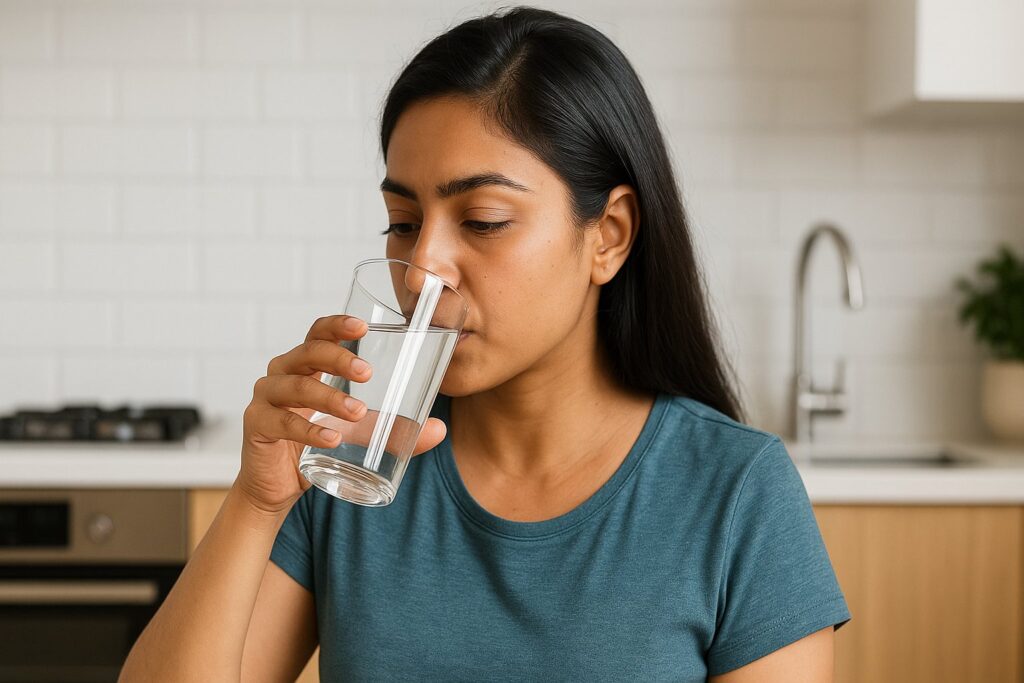
You know that water is absolutely essential for every part of your day, right? Your body relies on it for energy, digestion, and clear thinking. But lately, you keep hearing about the need for drinking purified water. What exactly does that mean?
Purified water is simply water that goes through special processes, like reverse osmosis (RO water), to remove impurities, chemicals, and contaminants. This clean standard is quickly gaining attention because it’s much better for your health. Whether you carry a filtered water bottle or use a home system, let’s explore exactly how purified water supports a healthier body and mind.
Also Read: RO Water For Hair Wash: Is It A Good Idea?
What is Purified Water?
You might think all clean water is the same, but purified water goes through an extra level of cleaning that standard tap or even some bottled waters skip. Purified water means that nearly all contaminants, impurities, and dissolved solids have been removed from the source water. This is a higher standard than simple filtration.
So, how does it differ? Tap water is treated to meet minimum safety standards, but it often retains things like chlorine and traces of heavy metals. Purified water, on the other hand, is aggressively cleaned to ensure the lowest possible contaminant levels, making it the best option for your family.
How Does Water Get So Clean?
This deep cleaning happens through several modern purification methods. A popular and effective method is reverse osmosis (RO water system), where water is forced through a semi-permeable membrane to trap even the smallest particles. Other processes include UV filtration (which kills bacteria), Ultrafiltration (UF), and activated carbon filtering. When you are looking for the best RO water purifier or a reverse osmosis water filter for your kitchen, you are choosing one of these effective systems.
The result of this process is water that is free from harmful bacteria, viruses, chemicals like chlorine, and heavy metals like lead. This focus on purity is why more and more people prefer drinking purified water for a healthier daily life. Finding a reliable RO water purifier for the home ensures you consistently enjoy the benefits of truly clean water.
Also Read: 8 Mistakes to Avoid When Buying a Water Purifier
Why Should You Drink Purified Water for Your Health?
Switching to drinking purified water is one of the easiest and most effective ways to boost your overall health. When you remove harmful contaminants and chemicals, you give your body the purest fuel possible. You quickly notice improvements, ranging from better energy levels to enhanced protection against common illnesses. Let’s look closely at how this clean water helps you every single day.
1. Removes Harmful Contaminants
The purification process, especially with advanced RO technology, is a powerhouse for filtration. It effectively eliminates toxins, heavy metals (like lead and arsenic), chlorine, pesticides, and pathogens (bacteria and viruses) that can compromise your health. By reducing your exposure to these hidden impurities, you are actively protecting your long-term wellness and reducing the body’s toxic burden.
2. Boosts Digestive Health
Clean water is essential for a healthy gut. Drinking purified water aids in the body’s ability to break down food, ensuring efficient digestion and nutrient absorption. It also reduces the risk of consuming waterborne pathogens, thereby reducing the risk of gastrointestinal infections and discomfort like bloating or constipation.
Also Read: AMC for Water Purifier: Pros & Cons Explained
3. Improves Skin Health
Your skin is your body’s largest organ, and its health reflects your internal hydration. Hydration with clean water promotes clear, glowing skin by maintaining elasticity and moisture. By removing the impurities often found in tap water, purified water helps prevent breakouts and irritation caused by external contaminants and supports cellular regeneration.
4. Strengthens Immunity
When your body isn’t constantly working to filter out contaminants from your drinking water, your immune system can focus on its primary job: defending against illness. Fewer contaminants mean less stress on the immune system. This support for detoxification pathways allows for more efficient immune cell function, which in turn supports better disease resistance.
Also Read: How To Improve Taste Of Water With Water Purifiers
5. Enhances Metabolism and Energy Levels
Optimal hydration with purified water is critical for metabolic processes. Drinking purified water supports better metabolism and detoxification, helping the body efficiently convert food into energy and flush out waste. When your body is running on clean fuel, you’ll feel better, helping keep you energised throughout the day.
6. Safe for Children and the Elderly
The most vulnerable populations—children and the elderly—need the highest quality water. Clean water is crucial for developing and vulnerable immune systems. For children, it supports healthy growth and reduces exposure to toxins like lead that can impede cognitive development. For the elderly, it aids in maintaining hydration and organ function without introducing unnecessary chemical burdens. Choosing the best RO water purifier offers an essential layer of health safety for the whole family.
Also Read: Best pH Level of Drinking Water: Is 9.5 Safe?
How to Ensure You are Drinking Purified Water
Purified water consistently provides the maximum health benefits, but the effectiveness of your purification process depends entirely on using the right water purifier and maintaining it diligently. You can’t assume clean water— you must confirm it. Here are a few things to consider:
1. Choosing the Right Water Purifier (RO, UV, etc.)
The first and most critical step is matching your purification technology to your raw water quality. No single purifier is a one-size-fits-all solution.
| Water Quality Indicator | Recommended Purifier Technology |
| High TDS (Above 500 ppm, e.g., borewell water, hard water) | RO purifier is essential for effectively removing dissolved solids, heavy metals, and excess salts. Look for an RO system with a TDS controller/mineralizer to re-add essential minerals. |
| Low/Medium TDS (Below 300 ppm, e.g., municipal/tap water) | UV + UF purifiers are excellent for killing bacteria and viruses, which is the primary concern in low-TDS water. They don’t waste water like RO and don’t remove beneficial minerals. |
| Turbid/Dirty Water (Visible dirt/sediment) | UF or a multi-stage system with sediment pre-filters physically blocks suspended particles and microorganisms. |
Get your water tested or use a TDS meter to determine your water’s TDS level before purchasing. Using an RO purifier when your TDS is already low can strip the water of healthy, essential minerals.
2. Importance of Regular Filter Maintenance
A water purifier is only as good as its filters and membranes. Neglecting maintenance can turn your purifier into a health risk rather than a safeguard.
1. Sustained Purification: Filters (like carbon and sediment) and the RO membrane get clogged over time as they trap impurities. If left unchanged, the unit’s efficiency drops, and contaminants may begin to bypass the blocked filters, compromising your water safety.
2. Prevent Microbial Growth: The internal environment of a purifier can become a breeding ground for bacteria if the filters are saturated and the UV lamp (if present) is not working optimally. Regular sanitisation and replacement prevent this build-up.
3. Protect Your Investment: Routine servicing prevents minor clogs from turning into major, costly pump or membrane failures, extending the overall lifespan of your RO purifier or other system.
Also Read: TDS For Drinking Water: How Much TDS Is Healthy In Water?
3. Checking TDS Levels for Safe Drinking Water
TDS is the measure of the total concentration of dissolved substances (minerals, salts, metals) in the water. Monitoring it is the easiest way to ensure your purifier is working correctly.
1. The Ideal Range: For taste and health, the generally recommended TDS level for drinking water is 50–300 ppm (parts per million). Below 50 ppm may indicate water that lacks essential minerals and can taste flat. Above 500 ppm is considered poor/unacceptable and requires purification.
2. Verification: Use an inexpensive handheld digital TDS meter to check the TDS of your raw water and your purified water regularly (especially after a filter change). The purified reading should fall within the healthy range. If the TDS of your output water is too high, it means your RO membrane or post-filters need replacement.
Choosing the right technology and prioritising regular filter maintenance ensures that your system consistently delivers the cleanest, healthiest water for you and your family.
Also Read: How To Calculate TDS for Drinking Water At Home
Final Thoughts
The numerous benefits—from enhanced immunity and better skin to crucial family safety—all underscore one vital fact: consistently drinking purified water is non-negotiable for optimal health.
To truly secure your well-being, you must: select the right technology (RO for high TDS, UV for low TDS), commit to regular filter maintenance for sustained efficiency, and monitor TDS levels to confirm the water quality.
Don’t let the upfront cost or installation complexity deter you. If purchasing the best RO water purifier isn’t feasible right now, consider a more accessible solution: Rentomojo offers convenient water purifiers for rent. This ensures you and your family can immediately begin drinking purified water without a major investment. So, choose the right water and stay healthy!
Also Read: How To Get A New Gas Connection: Online And Offline Modes
Frequently Asked Questions
1. What are the disadvantages of purified water?
The main disadvantage is the lack of essential minerals (like calcium and magnesium) that are removed alongside contaminants, potentially causing long-term mineral imbalance if not replaced by diet or remineralisation technology.
2. Which is better to drink, purified or distilled?
Purified water is generally better for drinking as it has contaminants removed, but can be re-mineralised. Distilled water is purer but completely lacks minerals, making it less ideal for regular consumption.
3. What is the unhealthiest water to drink?
The unhealthiest water is any supply contaminated with pathogens (bacteria/viruses), high levels of heavy metals, toxic chemicals, or seawater (due to high salt concentration).
4. Is purified water bad for your stomach?
No, purified water is typically beneficial for your stomach. By eliminating harmful bacteria and impurities, it ensures a healthy digestive system and lowers the risk of waterborne diseases.
5. Why do people not like purified water?
Many people dislike the taste because purified water, especially reverse osmosis water, has a bland or “flat” taste as the minerals that give water its flavour have been completely stripped away.