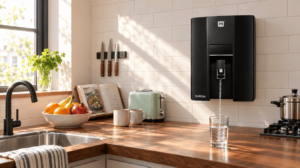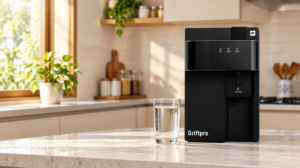


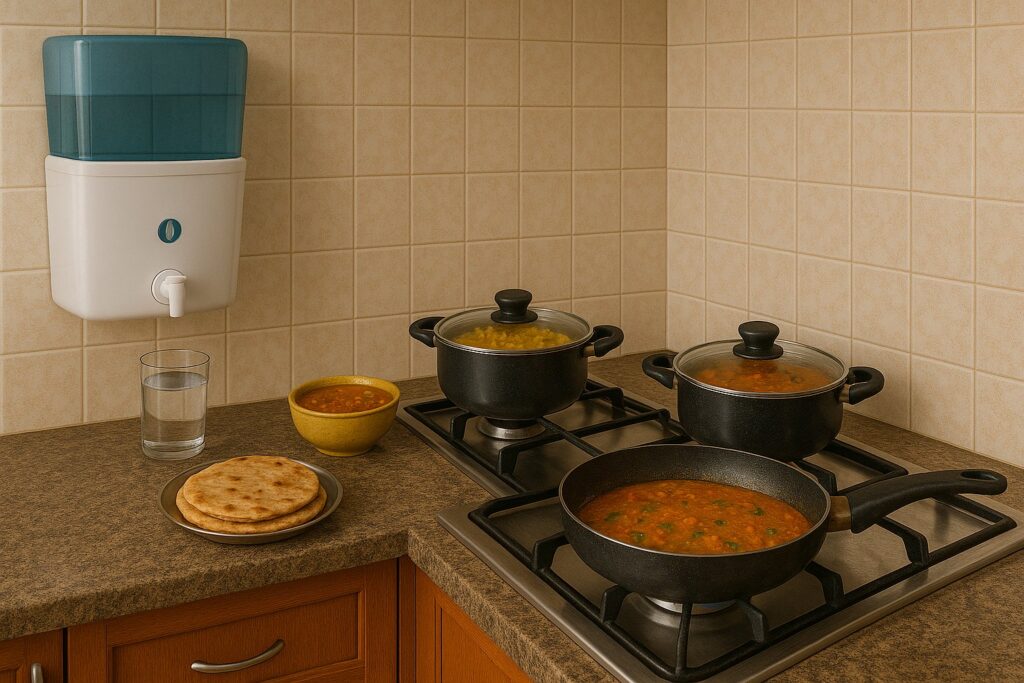
Whether you’re boiling rice for your daily lunch or making a flavorful sambar, the quality of the water you use is just as important as the spices. The water in your kitchen can totally change how your food tastes and even affect your health. That is why so many Indian households now rely on an RO water purifier. These reverse osmosis systems promise to remove contaminants and heavy metals, giving you clean water. But here is the big question everyone is asking: Is RO water for cooking actually good, or are you missing out on something essential? Let’s explore why many households now prefer RO water for cooking.
Also Read: Is RO Water Good For Your Health? Find Out All The Answers!
Does Water Quality Matter for Cooking?
Think about it: water is a staple for almost every single dish you make. Whether you are cooking lentils, steaming vegetables, or kneading dough, your food absorbs the water you use. Because water is such a key ingredient, its quality directly affects the final taste and, more importantly, your family’s health.
Tap water often contains contaminants like heavy metals, chlorine, or fluoride. Even in small amounts, these substances can really change your food’s flavour— chlorine can make your rice taste funny, or minerals can stop your beans from softening correctly. This is why having an effective RO water filter is so important. Using the filter means you get clean, pure RO water that lets the natural flavours of your ingredients shine. An RO filter is essential because it removes those invisible contaminants, ensuring your food is safe and tastes exactly how you want it to.
Also Read: Can You Reuse RO Waste Water? 6 Ways To Use Reject RO Water!
But What is Actually RO Water?
So, you keep hearing about RO water—but what exactly is it? RO stands for Reverse Osmosis. Think of it like a very fine, high-tech strainer in your kitchen! An RO water filter forces water through a super-thin membrane. This membrane is so fine that it blocks tiny impurities, leaving you with clean water.
The RO filter is highly effective because it pushes out almost everything, including serious impurities like lead, arsenic, and even tiny microbes that make you sick. Because this purification process removes the bad stuff that affects flavour and health, the water is perfect for the kitchen. You get a clean slate, ensuring your cooking starts with the purest possible ingredient.
Also Read: TDS For Drinking Water: How Much TDS Is Healthy In Water?
Why Should You Use RO Water for Cooking?
Switching to RO water in your kitchen brings several huge advantages that you might not realise, totally changing the way you cook. Having an RO water purifier right there makes a major difference in your routine.
1. Enhances the Natural Taste of Food
Think about the base of your food. When you start with water from a good RO water filter, you instantly notice that your food tastes much better. Why? Because the RO process strips out impurities like chlorine, sulfur, and metallic minerals that often give tap water an “off” taste. Without these distractions, the natural flavours of your ingredients get to shine through!
This is why RO water for cooking is ideal for delicate things like making a smooth cup of tea or coffee, brewing flavorful vegetable stock for a soup, or simply boiling your rice and lentils. When your water is clean, your cooking is authentic. You avoid that subtle bitterness or chemical aftertaste that can ruin a perfectly made curry or dessert.
2. Retains Nutritional Value of Ingredients
Using pure water is a smart choice for your family’s health. While food is your main source of minerals, clean water also plays a role in retention. Using RO water prevents certain negative chemical interactions that can happen when contaminants in hard water mix with ingredients during high-heat cooking, like steaming or boiling.
For example, excess calcium or magnesium in hard water can sometimes hinder the proper hydration of lentils or grains, making them harder to cook fully. By eliminating high TDS, RO water helps ensure that the essential vitamins and minerals in your food are not compromised, helping your meals remain nutritious.
Also Read: Best pH Level of Drinking Water: Is 9.5 Safe?
3. Ensures Food Safety
Safety is absolutely paramount, especially in a health-conscious Indian kitchen. An RO water purifier provides a critical layer of protection by removing harmful agents that you cannot see. This includes heavy metals like lead and arsenic, pesticides, and microbial contaminants like bacteria and viruses.
By using clean RO water for cooking, you protect your family against the risk of waterborne diseases being transferred into your food during preparation. This peace of mind is priceless, knowing that every drop of water that touches your ingredients is pure and safe.
4. Better for Appliances and Utensils
Here is a practical benefit that saves you time and money: appliance longevity. Hard water— full of calcium and magnesium— leads to limescale buildup, which is that stubborn white, crusty deposit. This scaling forms inside your kettles, pressure cookers, electric rice cookers, and even your water heater.
Using RO water removes these hardening minerals, drastically reducing scale accumulation. This keeps your appliances running efficiently, reduces your energy consumption, and extends their lifespan, saving you money on maintenance and early replacements. It’s a small change that results in a huge win for your kitchen equipment.
Also Read: 8 Mistakes to Avoid When Buying a Water Purifier
How to Choose the Right RO Water Purifier for Home
Choosing the best RO water purifier for the home can feel a bit complex with so many options, but you can simplify it with a few key steps. Since this is an appliance you rely on daily for cooking, you need to choose wisely.
First, look at the technology of the system. For peace of mind and the best taste, you should look for advanced models that offer multiple stages: RO + UV + UF + Mineralizer. The RO tackles the dissolved solids, UV kills germs, UF removes cysts, and the Mineralizer adds essential minerals back in, making your water healthy and tasty. This combined approach makes it the best water purifier for the home.
Next, you must choose based on your local water source. Is your water coming from a borewell (high TDS) or is it a municipal supply (low to medium TDS)? Borewell water requires a strong RO component. Municipal water often needs the excellent germ-killing power of UV and UF technology. Finally, think about reliability and service because a water purifier is a long-term investment.
Also Read: How To Calculate TDS for Drinking Water At Home
Final Thoughts
The evidence is clear: using RO water in your kitchen is a smart choice for both health and flavour. You should use your pure RO water not just for drinking, but also for cooking all your daily meals and even for thoroughly washing your vegetables and fruits.
To be an efficient homeowner, remember one key tip: don’t waste the RO reject water! Collect it, as this slightly hard water is perfect for cleaning floors, washing dishes, or watering your garden. Finally, always schedule regular maintenance for your RO water filter. Keeping your purifier’s filters clean ensures you keep getting that pure, safe water for delicious, worry-free cooking every single day.
In case you are wondering whether RO water is indeed good for cooking, you should get a water purifier on rent and test it yourself. Getting a water purifier for rent will save you the hassle of investing big outright. So, visit RentoMojo and rent a water purifier today!
Also Read: How To Get A New Gas Connection: Online And Offline Modes
Frequently Asked Questions
1. Is RO water good for cooking?
Yes, RO water for cooking is generally considered good. An RO filter removes contaminants like chlorine, heavy metals, and microbes that can affect both the taste and safety of your food. Using clean water ensures that the natural flavours of your ingredients shine through, especially in dishes like rice, soups, and beverages. Modern RO water purifier systems often include mineralisers to ensure the water remains healthy.
2. Can we use RO waste water for cooking rice?
No, you should never use RO reject water for cooking rice or any other food. The reject water contains all the concentrated impurities, heavy metals, and high levels of dissolved solids that the RO water purifier removed. You can safely reuse this water for household tasks like cleaning floors, washing dishes, or watering your garden, but always use the purified RO water for cooking.
3. Which water is the best for cooking?
The best water for cooking is water that is free from contaminants, chlorine, and excessive dissolved solids. RO water is excellent because the RO filter system provides this purity, enhancing flavour and ensuring safety. While mineral water is also good, purified water from a reliable RO water purifier in your home is the most consistent and safest choice for everyday cooking.
4. Is RO water safer than boiled water?
Generally, RO water is safer than simply boiling water. Boiling only kills bacteria and viruses but does not remove chemical contaminants like lead, arsenic, or pesticides, which remain in the water. An RO water filter removes both the microbes and the chemical impurities. For comprehensive safety, especially in areas with high pollution, an RO water purifier offers better protection for both drinking and cooking.