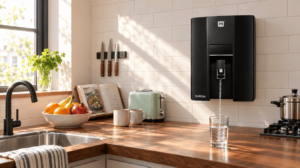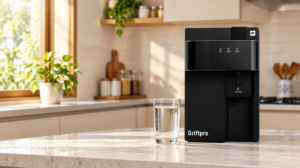



A reverse osmosis (RO) water purifier provides you with the cleanest water, but many users quickly notice a common complaint: the water tastes flat or bland. Have you ever wondered why your purified water does not taste refreshing? The answer lies in the intense filtration process. RO technology removes not just harmful contaminants, but also those naturally occurring essential minerals that give water its pleasant, natural flavour. This process effectively solves the problem of impure water, but creates a new one related to taste. We explain why this flavour change happens and show you exactly how to improve taste of RO water using the right RO water purifier for home and other simple methods!
Also Read: 9 Benefits Of Renting An RO Water Purifier For Home
Why Does Your Drinking Water Taste Weird?
If your drinking water has an unpleasant flavour or smell, it is a sign that something is amiss with its composition. Identifying the specific taste can help pinpoint the exact problem:
1. Chlorine or Chemical Odour
If your water smells like a swimming pool, it is usually due to chlorine added during municipal water treatment. Water suppliers use chlorine to kill harmful bacteria and viruses, ensuring the water is safe to drink. While necessary for safety, the residual chlorine can leave a strong, noticeable chemical odour and taste, especially when the water is cold.
2. Metallic Taste
A metallic flavour suggests the presence of metals like iron, copper, or zinc. This often occurs due to pipe corrosion in your home’s plumbing system or the city’s supply lines. Old, rusty pipes release these trace metals into the water. High levels of iron can make the water taste rusty or “bloody,” while excess copper can cause a bitter, metallic sensation.
Also Read: 6 Benefits Of RO Water Purifiers for Your Home In Bangalore
3. Salty or Bitter Taste
A noticeably salty or bitter taste is typically an indication of high Total Dissolved Solids (TDS) levels. TDS measures the total concentration of dissolved inorganic salts, including sodium, chlorides, sulfates, and magnesium. Naturally occurring high mineral content or contamination from seawater intrusion (in coastal areas) can elevate the TDS, giving the water a distinctly salty or unpleasantly bitter flavour.
4. Flat Taste in RO Water
If you use an RO water purifier, you might notice the water tastes unusually flat or bland. This happens because the RO process is extremely thorough; it removes all impurities and contaminants, but it also strips away natural minerals like calcium and magnesium. These essential minerals are actually what give water its naturally refreshing taste. Without them, the water lacks flavour and feels unappetising, leading to the question of how to improve the taste of RO water.
Also Read: Best Water Purifier for Home vs Bottled Water: Explained
Can a Water Purifier Improve Taste?
Absolutely! A water purifier is not just for safety; it can significantly enhance your water’s flavour, especially if your current tap water tastes unpleasant or if your existing RO water purifier produces bland water. The ability of a water purifier to improve taste comes down to its different purification stages:
1. RO Systems Remove Excess Salts and Chemicals
The core RO membrane is highly effective at reducing Total Dissolved Solids (TDS)—the excess salts, minerals, and chemicals that cause water to taste salty, bitter, or metallic. By lowering the TDS, the RO stage provides a neutral base for clean water.
2. Activated Carbon Filters Absorb Chlorine & Odours
Carbon filters play a crucial role in improving taste and smell. They work by absorbing chlorine (a common source of chemical odour), pesticides, and other organic impurities that cause bad odours and off-tastes. This is often the first and most noticeable change in flavour.
Also Read: Best Water Purifiers In Mumbai: How To Choose One For Home
3. UV Technology Ensures Water is Safe but Does not Change Taste
The Ultraviolet (UV) lamp stage neutralises bacteria and viruses, making the water microbiologically safe. While essential for health, the UV process itself has no impact on the water’s taste or smell.
4. Mineral Cartridges Restore Essential Minerals for Better Taste
This is the most important component for those asking how to improve taste of RO water. The intense purification of RO removes the good minerals along with the bad. Modern RO water purifiers often include a post-filtration stage, like a mineraliser or taste enhancer cartridge. This filter adds back essential minerals like calcium and magnesium, which are vital for a refreshing, natural taste, effectively solving the “flat water” problem.
Also Read: Is RO Water Good For Your Health? Find Out All The Answers!
How to Improve the Taste of RO Water
If your RO water purifier is giving you clean, but unappealing, flat-tasting water, there are simple and effective ways to fix it and dramatically improve the taste of RO water. The goal is to reintroduce the natural minerals that the RO process removes:
1. Use a TDS Controller to Balance Mineral Content
Many advanced RO water purifiers for home come with an adjustable TDS controller. This device allows a small, controlled amount of the original, unfiltered water (which contains natural minerals) to mix with the purified water. By carefully blending the two, you can achieve a higher, more palatable TDS level, which immediately helps improve taste of RO water without compromising safety.
2. Add a Mineraliser Cartridge for Natural Taste
The best solution for how to improve taste of RO water is installing a dedicated mineralizer cartridge (often called a taste enhancer). This post-filtration stage adds essential minerals like calcium and magnesium back into the water after it has passed through the RO membrane. These are the same minerals that give water a naturally sweet and refreshing flavour.
3. Regularly Replace Filters to Avoid Stale or Odd Flavours
Over time, used filters and membranes accumulate trapped impurities and organic matter. If you do not replace them on schedule, these components can start releasing stale odours and unpleasant, odd flavours back into the purified water. Timely filter replacement is crucial to maintain both hygiene and the great taste of your water.
Also Read: Can You Reuse RO Waste Water? 6 Ways To Use Reject RO Water!
4. Ensure Proper TDS Level (50–150 ppm) for Balanced Taste
For the best taste, aim for a purified water TDS level between 50 and 150 parts per million (ppm). This range is considered ideal for consumption, providing a balanced, natural flavour profile. If your water’s TDS is too low (below 50 ppm), it will taste flat. If it is too high, it might taste metallic or salty. Adjusting the TDS controller is the simplest way to achieve this perfect balance and effectively improve the taste of RO water.
While the primary function of a water purifier is to make water safe, the improved flavour offers significant daily advantages. Good-tasting water encourages you to drink more, directly leading to improved hydration. Proper hydration is essential for overall health, supporting better digestion, helping your body regulate temperature, and even boosting energy levels. When water is palatable, it becomes a refreshing choice over sugary drinks, supporting better dietary habits and overall well-being. A pleasant taste removes any reluctance to drink enough water, ensuring your body is functioning at its best.
Also Read: TDS For Drinking Water: How Much TDS Is Healthy In Water?
Frequently Asked Questions
1. Does a water purifier make water taste better?
Yes, a water purifier improves water taste by removing chlorine, impurities, and contaminants. If you want to know how to improve the taste of RO water, choose a purifier with a mineralizer or TDS controller that adds back essential minerals for freshness.
2. Is a purifier good or bad for you?
A water purifier is good for you because it eliminates harmful bacteria, heavy metals, and dissolved salts. Using the right purifier ensures safe drinking water and better taste. However, regular maintenance is key to getting the best results.
3. Can RO water cause B12 deficiency?
No, RO water itself does not cause vitamin B12 deficiency. B12 mainly comes from food sources like meat, eggs, and dairy. RO systems may remove some minerals, but they don’t affect B12 absorption.
4. Does RO water need to be boiled?
No, RO water does not need to be boiled because the filtration process already removes bacteria, viruses, and dissolved impurities. Boiling is only necessary if the purifier is not working properly.
5. Why is RO water bitter?
RO water can taste bitter when essential minerals like calcium and magnesium are stripped away during filtration. To improve the taste of RO water, use a purifier with a remineralisation filter or TDS adjuster.