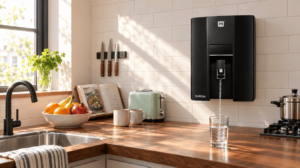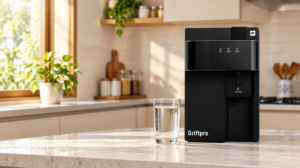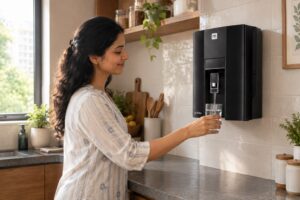


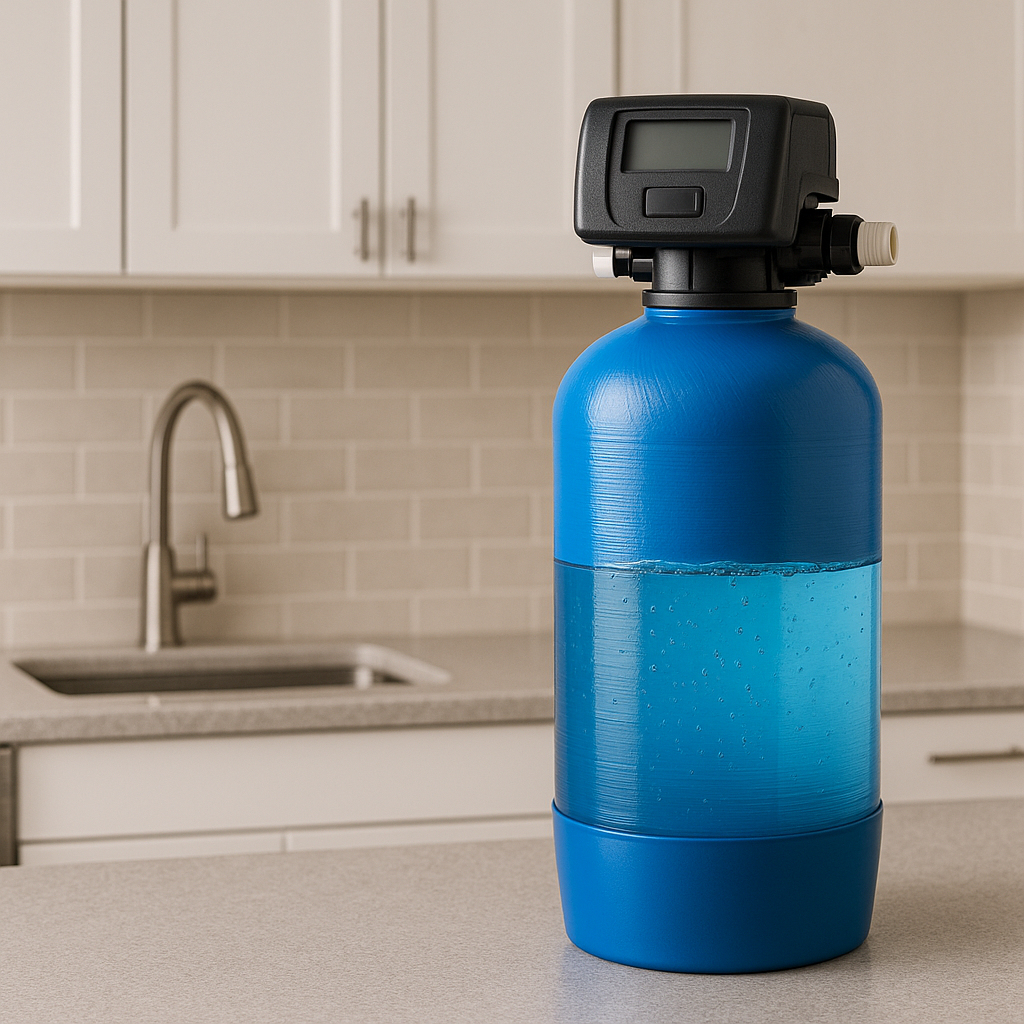
Choosing the right equipment to treat your tap water can be confusing. Many people wonder if they need both a filter (often called a home water purifier) and a water softener for home. The two systems perform very different jobs. A purifier removes unhealthy contaminants like chlorine or sediment, making water taste better and safer to drink. However, only a dedicated water softener system for home effectively tackles the hard mineral deposits that damage pipes and appliances.
Before we discuss whether you need both, let’s clearly define what each system does for your water. Understanding their specific functions is the first step in deciding the perfect solution for your family.
Also Read: 6 Benefits Of RO Water Purifiers for Your Home In Bangalore
Understanding Hard Water and Its Effects
Water in many parts of India has a high concentration of dissolved minerals, especially calcium and magnesium. We call this hard water. While these minerals are not typically harmful to your health, they cause a host of frustrating problems around your house. If you are considering a water softener for home, it is important to know exactly what hard water does and why treatment is necessary.
What is Hard Water?
Hard water is simply water that contains a high concentration of dissolved minerals. The main culprits are calcium and magnesium ions. As water travels through the ground, it naturally picks up these minerals from rock formations like limestone. The higher the concentration of these ions, the “harder” your water is. This mineral content is what causes issues that a standard filter cannot fix, requiring a whole-house water softener to correct.
Signs of Hard Water Damage
You don’t need a test kit to know you have hard water; the signs are often clear. You will notice chalky, white buildup, known as scaling, on your bathroom taps, showerheads, and kitchen fixtures. Utensils often have stubborn water spots or stains even after washing. Furthermore, hard water affects your personal care. The minerals prevent soap from lathering properly, which leaves a film on your skin and hair, leading to dryness and dullness.
Why Hard Water Requires Treatment
Hard water creates two main problems: it impacts your appliances and it affects your health subtly. For appliances, the mineral scale builds up inside geysers, washing machines, and dishwashers. This coating dramatically reduces their efficiency and shortens their lifespan. Using a water softener system for home protects these costly items. While hard water isn’t unsafe to drink, its impact on soap and plumbing makes softening a practical necessity for comfortable living.
What does a Water Softener Do?
A water softener performs a single, specialised task: it solves the hard water problem. It does not filter out dirt or kill bacteria. Instead, this powerful machine changes the actual mineral content of your water. Understanding its function clearly defines why it is entirely different from a standard water filter or purifier.
How a Softener Changes the Water
A water softener system for home works using a simple process called ion exchange. When hard water enters the unit, the problematic calcium and magnesium ions stick to special resin beads inside the tank. The system then releases sodium (or sometimes potassium) ions back into the water. This process removes the scale-causing minerals entirely, ensuring you only get truly soft water flowing through all your taps and appliances. The system needs occasional salt refills to continue this exchange process effectively.
Major Benefits for Your Household
Installing a house water softener brings clear advantages across your home. Firstly, it protects all appliances that use water, like geysers, washing machines, and dishwashers. By stopping internal scale buildup, these machines run efficiently, consume less electricity, and last much longer, saving you replacement costs. Secondly, soft water allows soap, shampoo, and detergents to lather fully. This means you use significantly less product while enjoying softer skin and shinier hair, without the frustrating white residue on your fixtures.
The Limitation of Softened Water
The primary goal of a water softener for home is plumbing protection and household comfort, not making water safe to drink. While it successfully removes calcium and magnesium, the process adds a very small amount of sodium. This sodium content is generally harmless but may be a concern for family members on strict low-sodium diets. More importantly, a softener does not remove harmful contaminants like bacteria, viruses, or chemical pollutants often found in city or borewell water. For safe consumption, you still need a dedicated purification system.
Also Read: TDS For Drinking Water: How Much TDS Is Healthy In Water?
Do You Need Both a Water Softener and a Purifier?
The simple answer is: it depends entirely on your local water quality and how you plan to use the water. There is no single rule for every house in India. You must first check the hardness level and the presence of harmful contaminants in your specific supply. Only then can you decide if you need a specialised water softener for home alongside your kitchen filter.
1. When a Purifier is Enough
If you live in an area known for naturally soft water, often supplied directly by municipal sources, a filter or purifier might be the only system you need. In soft water regions, the mineral content is low enough that destructive scaling is not a serious problem. Here, your main concern is ensuring safe drinking water, free of chemicals, bacteria, or suspended particles. In this case, adding a house water softener becomes an unnecessary expense.
2. When Both Systems Are Necessary
If your home receives very hard water, especially from borewells or specific municipal supplies, you need both systems for complete protection. You definitely need a water softener system for home to stop the intense scaling that clogs plumbing and quickly destroys geysers and washing machines. Since the softener only handles minerals and does not purify the water, you still need a separate purifier for the kitchen tap. This combination ensures your expensive appliances are safe, and your family drinks clean, contaminant-free water.
Also Read: Home Water Purifier vs 20-Liter Cans: Best Choice for You
3. When a Softener Might Be Enough Alone
Sometimes, a water softener for home can be the primary treatment. This happens when the water supply is known to be clean and free of health-hazardous contaminants, but is extremely hard. For instance, if you mainly worry about scaling in your bathrooms, washing machine, and taps, and you already rely on readily available bottled water for all drinking and cooking, the softener alone solves your main issue. However, most Indian households need the added assurance of a purification system for safe drinking water.
Choosing the Right Solution: Water Softener for Home or Purifier?
Making the right choice depends entirely on understanding your specific water problems. Do you face potential health risks from contaminants, or do you primarily struggle with appliance damage and scaling from minerals? Before choosing a water softener for home or a purifier, follow a simple, two-step process to ensure you treat the right issue effectively and save money in the long run.
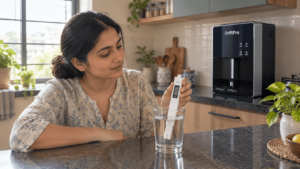
Step One: Test Your Water Quality
The first and most important step is getting your water tested by a professional or using a reliable home kit. In many Indian cities, you need to find out two critical levels: the TDS and the water hardness level. High TDS usually points to the definite need for a purifier or a hard water filter for the house to tackle contaminants. High hardness confirms you need a domestic water softener. Do not rely on guesswork; an accurate analysis gives you the clear facts you need to treat the actual problem.
Also Read: Is RO Water Good For Your Health? Find Out All The Answers!
Step Two: Define Your Priority
Once you have the test results, define your main priority. If your primary concern is safe drinking water because of bacteria, chemicals, or very high TDS, a reliable purification system is non-negotiable. If your priority is protecting your expensive geyser, washing machine, and getting relief from scaling, then a soft water system for home is essential. For many homes dealing with both high hardness and contamination, the complete solution involves installing a household water softener for the whole house and a separate, high-quality filter for the kitchen tap.
Understanding Alternative Options
Some homeowners also explore alternatives like a water conditioner for home. These systems do not technically remove the hardness minerals like a traditional ion-exchange softener. Instead, they change the structure of the mineral crystals so they are less likely to stick to surfaces. While this can reduce some scaling problems, it does not provide the same complete protection or soft-water feel as a water softener for home. Always match the solution to the severity of your hard water problem for the best results.
Also Read: Best Water Purifier for Home vs Bottled Water: Explained
Last-Minute Takeaway
The choice between a water softener and a purifier is ultimately not an ‘either/or’ decision; they solve completely different problems. A purifier protects your health from harmful contaminants, ensuring safe drinking water. A whole-house water softener protects your valuable home and appliances from destructive scaling caused by hard minerals. Your water test results provide the true answer. If your water is both very hard and contaminated, the combined system is the only way to achieve complete protection and comfort. Make sure you select the right water softener for home based on facts, not guesswork! In case you need a water purifier too, you can check out our collection of the latest water purifiers on rent. Visit RentoMojo now!
Also Read: Best pH Level Of Drinking Water: Is 9.5 Good For You?
Frequently Asked Questions
1. Do I need a water filter if I have a water softener?
Yes. A water softener for home only reduces hardness by removing calcium and magnesium. You still need a water purifier or filter to remove chlorine, bacteria, heavy metals, and dissolved solids for safe drinking.
2. What are the negatives of a water softener?
The main drawbacks of a water softener are increased sodium content, regular maintenance, and cost. Softened water may not be suitable for drinking, especially for people with high blood pressure or kidney issues. It is mainly used to protect appliances and plumbing.
3. Is a water purifier the same as a water softener?
No. A water purifier removes contaminants, microbes, and TDS to make water safe for drinking. A water softener only reduces hardness caused by calcium and magnesium, preventing scale buildup but not purifying water for consumption.
4. Do I need an RO system if I have a water softener?
Yes. An RO purifier is recommended even with a softener. While the softener improves water quality for cleaning and appliances, it does not remove chemicals, microbes, or dissolved solids. An RO ensures safe, healthy drinking water.
5. Can I drink softened water?
Softened water is technically drinkable, but it’s not ideal for daily use. The added sodium may not be safe for people with hypertension or kidney concerns. For safe hydration, RO-purified water is the better choice.