

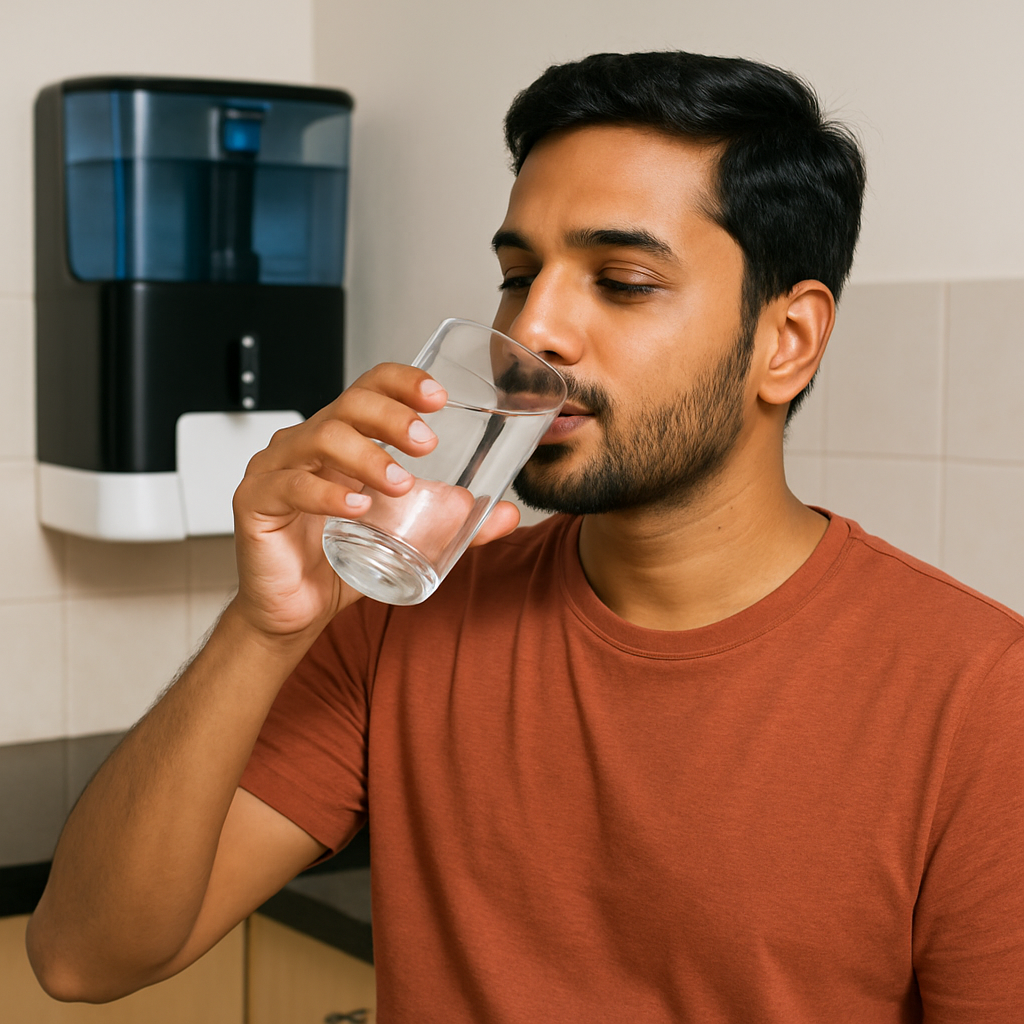
Understanding the TDS levels in RO water is a great way to find out whether the water you drink is safe. TDS means Total Dissolved Solids, and these are minerals and salts present in your water. After all, having an RO water purifier does not mean the TDS level is within the normal range! RO purifiers reduce high TDS, but what is the ideal range? When the TDS level in RO water is too low, your water may lack essential nutrients. For this reason, you should check the TDS levels in RO water and learn about the optimal level. We will guide you through ensuring safe drinking water and tell you the best TDS level in RO purifiers. Let’s keep reading!
What is a TDS Value for a Water Purifier?
The TDS level for RO water refers to how many dissolved minerals, like small particles, salts, and other dissolved minerals, remain in the water. This happens when the water goes through filtration. RO water purifiers can reduce these solids to make your drinking water cleaner and safer. By checking the RO water TDS value, you can assess the taste, purity, and mineral content of your water.
Most RO purifiers reduce the TDS value for RO water to a safe range by removing unwanted particles. They also keep some minerals, so the water does not taste flat. When you know this value, you can choose the right RO water purifier for your home. You can also see if your water needs any changes. This helps you make sure you drink clean and healthy water every day.
Also Read: TDS Levels In Water Purifier: What Is The Ideal Range?
What is the Ideal TDS Level in RO Water?
The ideal RO TDS level usually falls between 75 and 150 ppm, and this is the range most people feel comfortable with. Water in this range tastes clean, feels light, and still carries enough minerals to support your daily hydration. When the TDS sits in this sweet spot, you get water that is both pure and healthy, without the heavy or salty taste that often comes with high-TDS sources.
Many people get confused about what the normal TDS in RO water should be, so it helps to break the numbers down in a simple way. If the TDS drops below 50 ppm, the water may feel too light and taste flat. This happens because the water has lost most of its natural minerals. Even though the water is clean, it may not feel satisfying to drink. Here, we will tell you more about the TDS levels in RO water.
Also Read: Can You Reuse RO Waste Water? 6 Ways To Use Reject RO Water!
1. TDS between 75 and 150 PPM
When the TDS stays between 75 and 150 ppm, you get the best balance. The water tastes fresh, the mineral level is moderate, and your body stays well-hydrated. Most homes aim for this range because it supports long-term health without compromising the drinking experience.
2. TDS between 150 and 300 PPM
If your water falls in the 150–300 ppm range, it is still safe for many households, but you may notice the water feels slightly hard or has a mild aftertaste. This is common in areas where groundwater or borewell water is the main source of water supply. While this level is not harmful to most people, many prefer to lower it with RO filtration to improve taste and reduce scaling in appliances.
Also Read: How To Improve Taste Of Water With Water Purifiers
3. TDS above 300 PPM
Once the TDS goes above 300 ppm, the water often needs treatment. At this point, the water can start tasting salty, metallic, or heavy. You may also notice more white deposits on taps, kettles, and utensils, which are caused by excess salt. This is where an RO purifier becomes necessary, as it can bring the TDS level back to a comfortable range.
It is also important to remember that the ideal TDS is not the same for every home. Your source water plays a big role. Borewell and tanker water usually have higher TDS, while municipal or piped water often has moderate levels. A good purifier should adjust the TDS value for RO water so it fits the needs of your location and gives you water that feels safe, clean, and pleasant to drink every day.
| TDS Range (ppm) | What It Means | Taste & Feel | Is It Safe? | What You Should Do |
| Below 50 ppm | Very low mineral content | Flat, light taste | Safe but not ideal for long-term use | Increase TDS using a TDS controller or choose RO with a mineral booster |
| 75–150 ppm | Ideal TDS range for RO water | Clean, fresh, balanced | Best range for daily drinking | No action needed; this is the optimal level |
| 150–300 ppm | Slightly hard water | Mild aftertaste, heavier feel | Safe for most homes | Consider RO if taste or scaling becomes a problem |
| 300–500 ppm | High TDS, excess salts | Salty or metallic taste | Not recommended | Use RO purifier to reduce TDS |
| Above 500 ppm | Very high TDS (borewell/tanker water) | Strong salty or bitter taste | Unsafe for drinking | RO purification is essential to bring down TDS |
Also Read: AMC for Water Purifier: Pros & Cons Explained
Side Effects of High and Low TDS in RO Water
When you drink RO water every day, the TDS value for RO water plays a big role in how healthy the water is. Both high and low TDS levels can create issues, so it’s important to understand what happens at each end. Once you know the risks, you can adjust the TDS level in water purifier settings to match what your body and home actually need.
1. Side Effects of High TDS in RO Water
High TDS means your water has too many dissolved salts, minerals, or impurities. This usually happens when the TDS level of the water purifier is not controlled well or when the source water is tough.
1. Salty or Metallic Taste: When the TDS of RO water is too high, the taste becomes salty, bitter, or metallic. Many people stop drinking enough water because it feels unpleasant.
2. Scaling in Appliances: High TDS causes white deposits on taps, kettles, and utensils. This scaling is due to excess calcium and magnesium. Over time, it reduces the lifespan of appliances like geysers and electric kettles.
3. Possible Health Concerns: If the water has very high TDS, it may contain excess sodium, fluoride, or heavy metals, depending on your water source. For some people, especially those with kidney or blood pressure issues, this may not be safe.
4. Digestive Discomfort: Some people feel bloated or heavy after drinking high-TDS water because the mineral content is too strong for their system.
Also Read: Plastic Water Cans For Drinking Water: Is It Safe?
2. Side Effects of Low TDS in RO Water
Low TDS happens when the purifier removes too many minerals. Many people assume lower TDS is always better, but extremely low levels are not ideal. Here’s what you may experience:
1. Flat and Lifeless Taste: When the normal TDS in RO water drops below 50 ppm, the water loses its natural taste. It feels too light and not satisfying to drink.
2. Lack of Essential Minerals: Very low TDS means the water no longer contains beneficial minerals like calcium, magnesium, and potassium. Over time, this may affect the quality of your hydration and the mineral balance in your diet.
3. Higher Corrosion Risk: Extremely low TDS water can be more acidic, which may slowly corrode metal pipes or storage containers.
4. Reduced Hydration Quality: You may drink the same amount of water, but you will still feel thirsty. Water with extremely low TDS levels from RO drinking water does not contain minerals that help the body absorb it well.
Also Read: TDS For Drinking Water: How Much TDS Is Healthy In Water?
Final Thoughts
Maintaining the right TDS level in your RO water is one of the simplest ways to ensure you drink clean, healthy, balanced water every day. When the TDS stays within a safe range, your water tastes better, feels lighter, and gives you the minerals your body needs. It also helps you avoid the problems caused by water that is either too hard or too low in minerals.
If you want a hassle-free way to enjoy safe drinking water at home, you can also rent water purifiers from Rentomojo. Renting gives you access to high-quality RO purifiers without an upfront cost. You also get regular service, easy maintenance, and the freedom to upgrade whenever you need to. So, explore our range of RO water purifiers for home and ensure clean drinking water!