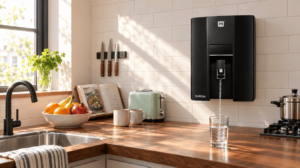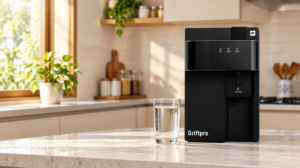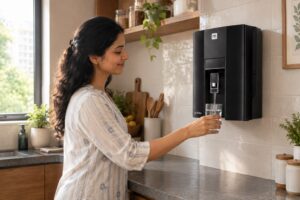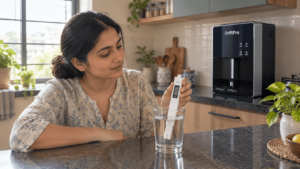


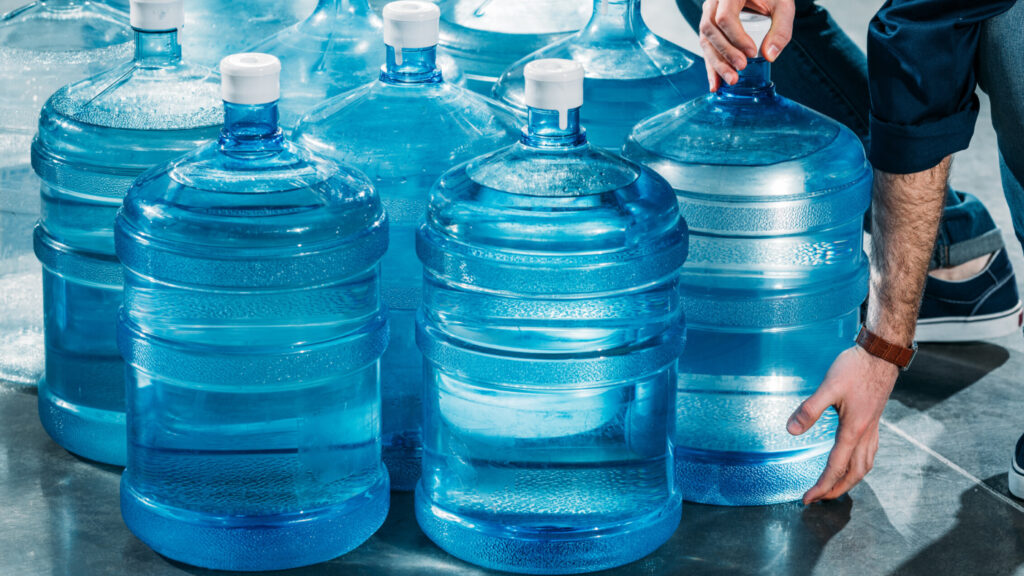
Plastic water cans and plastic water bottles have become a quick fix for drinking water in many homes and offices. However, what seems like a convenient choice often hides serious health and environmental dangers. Transitioning from traditional steel or copper vessels to plastic may have felt modern, but the truth is more complex. Over time, chemicals like BPA, phthalates, and even microplastics can leach into the water you drink, especially when exposed to heat or sunlight. Furthermore, reused water cans rarely undergo proper purification, increasing the risk of bacterial growth and contamination. This makes plastic-stored water a potential threat rather than a safe solution. On the other hand, alternatives such as stainless steel, glass, or installing a home water purifier provide cleaner, safer, and eco-friendly options. Understanding these hidden dangers will help you make smarter choices about your family’s health and reduce your dependence on plastic water cans.
Also Read: Best pH Level Of Drinking Water: Is 9.5 Good For You?
What are Plastic Water Cans and Bottles?
Plastic water cans are large 20-litre containers that you often see delivered to homes, offices, and even small shops. Many families rely on these cans every day, especially in cities where tap water is not always safe to drink. Along with this, plastic water bottles are widely used because they are easy to carry and seem convenient when you are travelling, working, or eating out.
However, while these containers look practical, you should know what they are made of. Most plastic water cans are made from materials like PET (Polyethylene Terephthalate) or HDPE (High-Density Polyethylene). These grades are considered safer than low-quality plastics, but only when they are used properly. If the cans are old, reused many times, or exposed to heat and sunlight, the quality of water stored inside can be affected. This is why knowing the material grade is very important for your health.
Also Read: 6 Benefits Of RO Water Purifiers for Your Home In Bangalore
Plastic Water Cans for Homes and Offices
Plastic water cans, often 20-litre water cans, are commonly supplied by local vendors. You might already have a plastic water dispenser at home or in the office, where these cans sit upside down to provide water throughout the day. This system looks simple and useful, especially if your area has an unpredictable water supply. However, these cans are reused multiple times before they are replaced. If they are not washed or sanitised properly, the water inside can become contaminated.
In urban areas like Mumbai, Bangalore, and Delhi, people trust sealed cans and bottles because they promise purity. Yet, not all suppliers follow the same standards. Some use low-grade plastics or refill old cans without proper cleaning. As a result, you may be drinking water that is not as safe as you think.
When you understand what plastic water cans and bottles really are, you can make better decisions. Choosing safer materials or shifting to a home water purifier can protect your family’s health and reduce your dependence on plastic.
Hidden Dangers of Using 20L or 10L Plastic Water Cans
When you bring home 20L water cans or buy plastic water bottles, you may believe you are choosing a safe option for your family. After all, the convenience of 20 litre water cans and the easy-to-carry nature of bottles make them a popular choice in homes, offices, and even restaurants. But there are hidden dangers you need to know before you pour that water into your plastic water dispenser. Let’s look at them closely.
1. Chemical Leaching
One of the biggest concerns with plastic water cans is chemical leaching. Over time, harmful chemicals from the plastic can mix with the water you drink. Daily use of 20L water cans may expose you to substances like BPA and phthalates. These chemicals are linked to serious health issues when consumed for a long period. Even if the water tastes fine, you cannot see or smell these chemicals, which makes it more dangerous.
2. Impact of Heat and Sunlight
In India, it is common to see 20-litre water cans and plastic water bottles transported on trucks or stored outside in shops. Under direct sunlight and high temperatures, plastics release chemicals faster. Imagine buying a water can that has been sitting outside in the heat for hours—it may already be unsafe. Since many homes and offices depend on plastic water dispenser systems, this risk becomes even greater.
3. Bacterial Growth
Plastic water cans are usually reused multiple times. If they are not cleaned and sanitised, bacteria can grow inside them. Over time, a thin layer called biofilm builds up in the corners of the can, and this contaminates the water. Because you cannot always see this with your eyes, you may unknowingly drink unsafe water. Families using 20L water cans regularly should be aware that improper cleaning increases the chances of stomach infections and other health problems.
4. Mislabeling and Quality Issues
Not every supplier uses high-grade plastics. Some refilled 20 litre water cans are made with low-quality materials that do not meet safety standards. Others may not change old cans even when they show signs of damage. Mislabeling is also a problem—you might assume you are getting safe water when in reality, it has been packed in poor-quality plastic. This lack of regulation is a serious issue, especially in urban areas where the demand for water cans is high.
Also Read: AMC for Water Purifier: Pros & Cons Explained
Know about the Health Risks of Plastic-Stored Water
The dangers of plastic water cans do not end with taste or smell. Long-term exposure to water stored in unsafe plastic may lead to serious health issues. Some studies show that chemicals in plastic can interfere with your body’s hormones, leading to problems such as thyroid imbalance and reproductive issues. Continuous use also raises risks related to kidney and liver function. Even if short-term use seems harmless, the real danger lies in daily and long-term consumption.
Why You Should Rethink Plastic Water Cans
Plastic water bottles and 20L water cans may feel convenient, but the risks outweigh the benefits. From chemical leaching and bacterial growth to poor quality control, the dangers are too great to ignore. Instead of relying on these cans, you can protect your health by shifting to safer alternatives like stainless steel, copper, or installing a water purifier at home. This way, you avoid hidden dangers while ensuring your family has access to clean and safe drinking water every day.
| Factor | Plastic Water Cans / Plastic Water Bottles | Stainless Steel / Copper Containers | Home Water Purifier |
| Safety | Risk of chemical leaching and bacterial growth | Naturally safe, no leaching | Delivers pure, safe water |
| Hygiene | Often reused without proper cleaning | Easy to clean and maintain | Continuous filtration keeps water fresh |
| Heat Sensitivity | Unsafe when exposed to sunlight or heat | Stable in all conditions | Not affected by heat or light |
| Convenience | Delivery-dependent, storage space needed | Limited capacity, heavy to carry | On-demand clean water anytime |
| Cost (Long-term) | High recurring costs for 20L water cans | One-time purchase, long use | Affordable on rental or EMI |
| Environmental Impact | Adds to plastic waste | Eco-friendly and reusable | Reduces plastic dependency |
Also Read: TDS For Drinking Water: How Much TDS Is Healthy In Water?
Consider the Environmental Impact of Plastic Water Cans
Plastic water cans and plastic water bottles may feel like a convenient choice, but their impact on the environment is alarming. Every year, millions of single-use bottles and discarded 20L water cans end up in landfills. Since these plastics are non-biodegradable, they remain in the soil and water for hundreds of years, releasing harmful substances into the environment.
1. Oceans and Soil Pollution
When plastic water cans are carelessly thrown away, they often end up in rivers and oceans. Over time, these plastics break down into tiny particles called microplastics. These particles pollute the water, harm sea life, and eventually enter the human food chain. Soil pollution also increases, affecting agriculture and groundwater.
2. Recycling Challenges in India
Recycling could reduce the damage, but in India, the system is still weak. Most 20-litre water cans are reused until they are damaged, and once discarded, only a few reach recycling facilities. Without proper recycling, most plastic ends up as unmanaged waste, worsening the pollution crisis.
By reducing your dependence on plastic water cans and choosing safer options like stainless steel containers or a home water purifier, you not only protect your family’s health but also help reduce plastic waste. Simple changes in your daily routine can make a big difference for the planet.
Using Plastic Water Cans and Bottles vs Choosing a Water Purifier
Many households and offices still depend on plastic water cans and plastic water bottles because they look convenient and easy to use. Carrying a 20L water can or picking up a bottle on the go feels like a quick solution when you need drinking water. However, when you compare them with a water purifier, the differences in cost, safety, and convenience become clear.
1. Cost Over Time
Buying 20 litre water cans regularly may not seem expensive at first, but the cost builds up over weeks and months. The same goes for bottled water, which is priced higher per litre. On the other hand, a water purifier is a one-time investment with small maintenance costs. Over a few years, the purifier saves you more money than repeatedly paying for cans and bottles.
2. Health and Safety
Plastic water cans can pose risks when exposed to sunlight or heat, as chemicals from the plastic may mix with the water. Reused cans also increase the chances of bacterial growth if not cleaned properly. A water purifier eliminates these risks by filtering out bacteria, viruses, and impurities, giving you safe and fresh water whenever you need it.
3. Convenience and Reliability
Depending on suppliers for 20 litre water cans means you often face delays or poor handling. Cans may have been stored in hot conditions, making them less safe to drink. A purifier, however, provides clean water instantly at home, without the hassle of lifting heavy cans or waiting for deliveries.
4. Environmental Concerns
Plastic water bottles and 20L water cans add significantly to plastic waste. Since most plastics are difficult to recycle, they end up in landfills or oceans, harming the environment. Using a purifier reduces your plastic use and helps you make a more eco-friendly choice.
Also Read: How To Choose The Best Water Purifier For Home In Delhi
Plastic Water Cans vs Water Purifier
| Factor | Plastic Water Cans & Bottles | Home Water Purifier |
| Cost Over Time | High recurring expense for refills and bottles | One-time setup, low maintenance cost |
| Health & Safety | Risk of chemical leaching and bacterial growth | Delivers consistently safe, filtered water |
| Convenience | Delivery dependent, heavy to carry | On-demand pure water at home |
| Hygiene | Often reused without proper cleaning | Clean, fresh water every time |
| Environment | Adds to landfill and ocean plastic waste | Reduces plastic use, eco-friendly |
| Reliability | Quality depends on the supplier and storage | Consistent quality, no outside dependency |
Plastic water cans and plastic water bottles may look like an easy option, but they often bring hidden risks for your health, budget, and the environment. Choosing a home water purifier is a safer, smarter, and more eco-friendly solution. It gives you clean water on demand without the worries of chemical leaching, bacteria, or the rising costs of 20 litre water cans. If you want a simple and affordable way to switch, you can rent a water purifier from RentoMojo and enjoy safe drinking water every day. Check out our water purifiers on rent today!
Also Read: Home Water Purifier vs 20-Liter Cans: Best Choice for You
Frequently Asked Questions
1. Is it safe to drink water stored in plastic bottles?
It is generally safe to drink water from plastic bottles for a short time. However, long storage or exposure to heat can cause chemicals to leach into the water. For everyday use, safer options like a water purifier or stainless steel bottles are recommended.
2. What is harmful about plastic water bottles?
Plastic water bottles can release harmful chemicals such as BPA and phthalates. These chemicals may affect hormones, increase health risks, and add to plastic waste in the environment. Repeated use of the same bottle can also encourage bacterial growth.
3. What happens when you leave water in a plastic bottle?
When you leave water in a plastic bottle for too long, especially in the sun or heat, the plastic can break down and mix with the water. This may affect the taste, increase microplastics, and make the water unsafe for drinking.
4. Is it safe to drink Bisleri water every day?
Bisleri water is filtered and packaged, so it is safe for daily use if bought from trusted sources. But relying on packaged bottles every day increases plastic use and cost. A home water purifier is a healthier and eco-friendly long-term choice.
5. Does water in plastic bottles contain microplastics?
Yes, studies have shown that water stored in plastic bottles often contains microplastics. These tiny particles are not visible but may enter the body when you drink the water. Over time, this can pose health concerns, making purifiers and reusable containers better options.