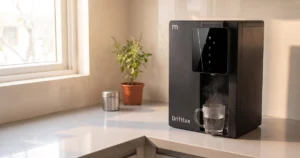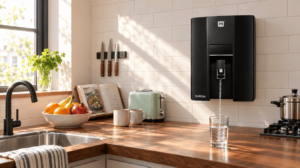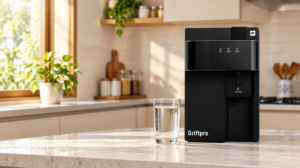


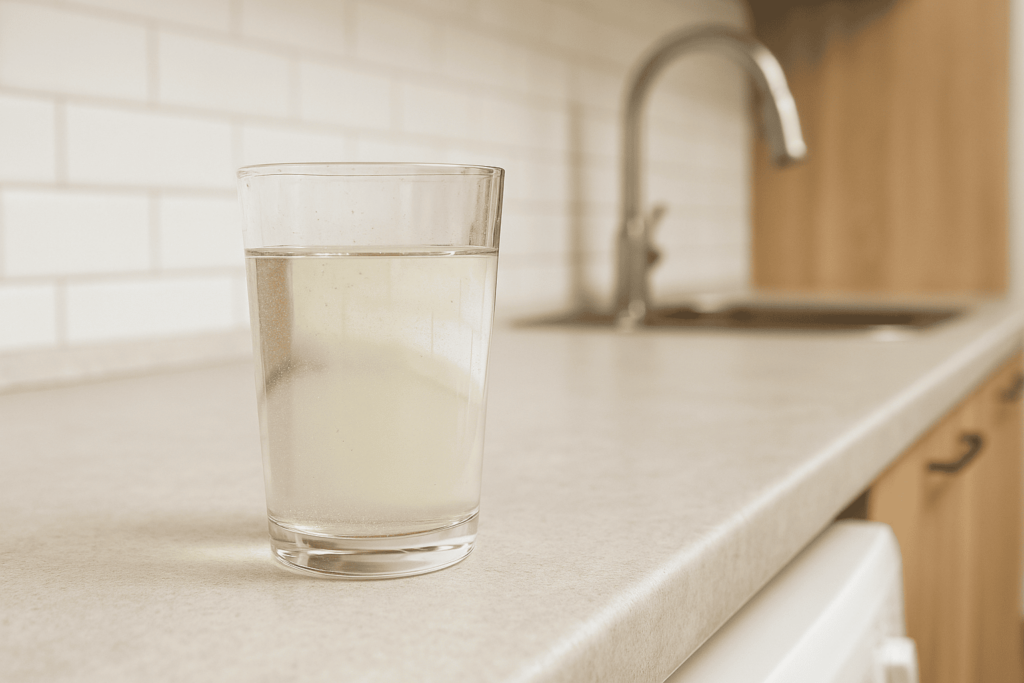
Millions of people fall sick every year across India because they drink unsafe water. This is a serious concern for every household, as contaminated water causes disease by carrying harmful bacteria, viruses, and parasites. These unseen threats enter our bodies and lead to severe health issues. Understanding the common diseases caused by contaminated water is the first step in protecting your family. A reliable water purifier offers a critical layer of protection, making your daily drinking water safe. We must take steps to secure clean drinking water, helping to avoid the various diseases caused by water pollution. Here’s how you can keep your family and yourself safe!
Also Read: Best pH Level Of Drinking Water: Is 9.5 Good For You?
Common Diseases Caused by Contaminated Water
Waterborne diseases are health conditions caused by microorganisms like bacteria, viruses, or parasites that are transmitted when people consume or come into contact with contaminated water. These serious infections are a major public health challenge, especially when communities lack proper sanitation and access to safe drinking water. The consumption of water contaminated with human or animal faeces is the primary route for many illnesses. We must understand how these pathogens work to appreciate the need for clean water. Here are some of the most common diseases caused by contaminated water and the best way to safeguard your family.
1. Diarrhoea and Dysentery
Diarrhoea and dysentery are widespread diseases caused by water pollution, resulting from bacterial infections such as E. coli and Shigella. The main symptoms are frequent, loose stools, often accompanied by stomach cramps and fever, which can quickly lead to dangerous dehydration. To prevent these recurring problems, a water purifier with both Reverse Osmosis (RO) and Ultra-Violet (UV) filtration is highly effective as it removes both microbial and chemical impurities, ensuring the water is pure.
Also Read: Can You Reuse RO Waste Water? 6 Ways To Use Reject RO Water!
2. Cholera
Cholera is a severe, acute diarrhoeal illness caused by the bacterium Vibrio cholerae. This infection results in rapid, severe, watery diarrhoea and vomiting, leading to very swift and extreme dehydration. This disease, which is often linked to poor sanitation, requires immediate medical attention. Using a UV purifier is crucial for prevention, as the UV light efficiently neutralises harmful bacteria like Vibrio cholerae, making the water safe to drink.
3. Typhoid Fever
Typhoid fever is an illness caused by the Salmonella typhi bacterium, transmitted through water and food that is contaminated with the bacterium. Sufferers experience a sustained high fever, generalised weakness, and abdominal pain. Typhoid is a dangerous health concern across many regions. RO combined with UV purifiers are essential for protection, as they meticulously remove the bacteria and other impurities that lead to this life-threatening fever.
Also Read: Side Effects Of Chlorine In Drinking Water: Things To Know
4. Hepatitis A and E
Hepatitis A and Hepatitis E are viral infections that affect the liver, spread primarily by consuming water that is tainted with faecal matter. Common symptoms include jaundice (yellowing of the skin and eyes), fatigue, and nausea. These viral forms of hepatitis are common diseases caused by water pollution. UV purification technology provides an excellent safeguard against these viruses, effectively neutralising them to prevent infection.
5. Giardiasis and Amoebiasis
These are intestinal illnesses caused by protozoa, such as Giardia lamblia, which form cysts in contaminated water. Symptoms include painful stomach cramps, persistent diarrhoea, and bloating. These parasitic protozoa are resilient and hard to kill. Filters that use RO or Ultra-Filtration (UF) technology are highly effective because they have a fine pore structure that physically removes the larger protozoa cysts, protecting your family from these painful infections.
Also Read: 9 Benefits Of Renting An RO Water Purifier For Home
How a Water Purifier Prevents Waterborne Diseases
A modern water purifier is a highly effective defence against the many serious diseases caused by contaminated water. It uses multiple stages of purification, each designed to eliminate specific threats, ensuring that the water you drink is safe and pure. By systematically removing contaminants like heavy metals, chemicals, and disease-causing microbes, a good purifier stops the spread of disease caused by unclean water right in your home. Understanding the key technologies shows exactly how it protects your family.
Reverse Osmosis (RO)
Reverse Osmosis is a core technology in advanced water purifiers. The RO membrane is extremely fine and acts as a molecular filter, using pressure to force water through it. This process effectively rejects and flushes out dissolved impurities like heavy metals (such as arsenic, lead, and mercury) and excess dissolved salts (TDS). By reducing the overall mineral and salt content, RO ensures the water tastes better and is safer to consume, removing contaminants that could otherwise cause long-term health issues.
Ultraviolet (UV) Filtration
UV purification is a powerful disinfectant stage. The water is exposed to a high-intensity UV lamp, which emits short-wave radiation. This radiation penetrates the cell walls of harmful microorganisms like bacteria and viruses, damaging their DNA. This renders them incapable of reproducing and causing disease due to water pollution. UV technology is a reliable way to achieve microbial safety without adding any chemicals to the water.
Also Read: What Is Distilled Water? Is It Safe To Drink? Things To Keep In Mind!
Ultrafiltration (UF)
Ultrafiltration uses a semi-permeable hollow fibre membrane with a pore size larger than that of an RO membrane, but still extremely small. The UF stage is highly effective at physically blocking and removing larger microscopic contaminants, including parasites like Giardia and Cryptosporidium, and other protozoa. UF is an excellent physical barrier, ensuring that these larger microbial threats cannot pass through and cause intestinal illness.
Activated Carbon
The Activated Carbon filter, often made from charcoal, is crucial for improving the quality and taste of the water. Carbon is highly porous, meaning it has a large surface area that attracts and absorbs organic compounds, including chlorine, harmful chemicals like pesticides, and substances that cause bad odour and colour in the water. This stage is vital for removing chemical contamination and making the water pleasant to drink.
Also Read: How To Calculate TDS for Drinking Water At Home
The presence of a disease caused by contaminated water should be a stark reminder that clean water is not guaranteed. While a metallic taste, cloudy appearance, or a strange smell are obvious signs your drinking water may be unsafe for drinking, many harmful pathogens that cause disease caused by unclean water are invisible and undetectable by sight or smell. The multi-stage purification process, which combines RO, UV, UF, and Activated Carbon, provides comprehensive protection. By removing heavy metals, dissolved salts, chemicals, bacteria, and parasites, a reliable water purifier is your family’s most important defence against waterborne illnesses. Taking this preventative step ensures every glass of water is pure and safe for consumption!
Also Read: Is RO Water Good For Your Health? Find Out All The Answers!
Frequently Asked Questions
1. Do water purifiers remove bacteria?
Yes, modern water purifiers can remove harmful bacteria that cause diseases from contaminated water. UV and RO purifiers are especially effective in eliminating bacteria, making drinking water safe.
2. Do filters help with contaminated water?
Basic water filters improve taste and odour but may not fully remove contaminants. To protect against diseases caused by contaminated water, an RO or UV purifier is more reliable than simple filters.
3. Does RO remove viruses?
Yes, RO water purifiers can remove certain viruses along with bacteria, chemicals, and heavy metals. For maximum safety against waterborne diseases, many RO systems also include UV technology to destroy any remaining viruses.
4. What are the side effects of a water purifier?
The main side effect of some RO purifiers is that they reduce essential minerals while removing contaminants. However, advanced purifiers now come with mineral retention or re-mineralisation features to keep water healthy while protecting you from diseases caused by contaminated water.
5. What is the best way to purify water at home?
The best way to purify water at home is to use an RO + UV water purifier. This combination removes bacteria, viruses, chemicals, and excess salts, ensuring safe water and lowering the risk of diseases from contaminated water.