

Getting safe drinking water is a top priority for everyone. Many municipal water supplies are treated with chlorine to kill harmful germs, making them safer from waterborne diseases. You might have noticed a distinct taste or smell in this treated water, which comes from the chlorine. While chlorine is crucial for disinfection, there’s a growing discussion about the side effects of chlorine in drinking water over time. When chlorine reacts with tiny natural bits in the water, it can form new substances called disinfection byproducts (DBPs). To help you learn more about this topic, we will discuss why drinking chlorinated water is bad for your health and whether your water purifier can remove it from the water. Let’s find out everything below!
Is Drinking Chlorinated Water Harmful?
Chlorine is widely used to make our water safe to drink. It kills dangerous bacteria and viruses that can cause serious illnesses. However, when chlorine is added to water, it can mix with small natural bits found in the water. This mixing can create new substances called disinfection byproducts, or DBPs.
1. Short-Term Effects
While generally safe in small amounts, some people might notice effects from drinking chlorinated water, especially if the chlorine levels are a bit higher.
- Taste and Smell: You might notice a strong, chemical taste or smell in your water. This is usually due to the chlorine itself.
- Stomach Upset: In some cases, drinking water with higher chlorine levels might lead to mild stomach discomfort.
2. Long-Term Concerns
The main concerns with chlorinated drinking water are related to these disinfection byproducts (DBPs) and long-term exposure.
- Digestive Issues: Some studies suggest a link between long-term drinking of chlorinated water and certain digestive problems.
- Other Health Links: Research is ongoing, but some studies have shown possible connections between long-term exposure to certain DBPs and more serious health issues over many years. This is why some people choose to filter their drinking water.
Also Read: What Is Distilled Water? Is It Safe To Drink? Things To Keep In Mind!
What Happens if Drinking Water has too Much Chlorine?
While chlorine is vital for keeping our drinking water safe, sometimes the levels can be higher than ideal. This can happen due to various reasons, like changes at the water treatment plant or issues in the pipes that bring water to your home. When there’s too much chlorine, you might start noticing certain things.
1. Immediate Signs
These are things you might notice right away or soon after drinking the water.
- Strong Smell and Taste: The most common sign is a very noticeable smell like bleach or a strong chemical taste. This can make the water unpleasant to drink.
- Irritation: Some people might feel a burning or stinging sensation in their eyes, nose, or throat, especially if the water is hot and creates steam.
- Stomach Upset: Drinking water with very high chlorine can sometimes cause mild nausea, stomach pain, or even vomiting. This is less common but can happen.
2. Effects on You and Your Home
Beyond how it feels to drink, high chlorine levels can have other impacts over time.
- Skin and Hair Dryness: Chlorine can strip away natural oils from your skin and hair, leading to dryness, itchiness, or even making your hair feel dull and brittle.
- Fading Laundry: You might notice your clothes, especially colored ones, fading faster after washing them in highly chlorinated water.
- Appliance Wear: High chlorine can be hard on the rubber and plastic parts in your home appliances, like washing machines and dishwashers, potentially shortening their lifespan. It can also cause rust stains on sinks and toilets.
If you suspect your drinking water has too much chlorine, it’s a good idea to contact your local water supplier. They can test the water and address any issues. Using water filters designed to remove chlorine can also help improve the taste and reduce these effects.
Also Read: How To Calculate TDS for Drinking Water At Home
Does Boiling Water Remove Chlorine?
Yes, boiling water can help remove chlorine. Chlorine is a gas that is dissolved in water. When you heat water to its boiling point, the chlorine tends to escape into the air as a gas. This is because gases become less soluble in water as the temperature rises.
When you boil water, you’re essentially speeding up this natural process of chlorine evaporating. If you let water sit out in an open container, the chlorine will also evaporate, but it takes much longer, sometimes up to 24 hours. Boiling significantly shortens this time.
To effectively remove chlorine through boiling, bring your water to a rolling boil for about 15 minutes. This extended boiling time helps ensure that most of the dissolved chlorine has a chance to evaporate. After boiling, allow the water to cool down to room temperature before drinking it. You might notice the taste and smell of your water is much better and cleaner after this process.
It’s important to remember that while boiling removes chlorine, it doesn’t remove other types of contaminants like heavy metals, pesticides, or certain dissolved solids. For more comprehensive water purification, other methods like filtration systems are often recommended.
Also Read: Is RO Water Good For Your Health? Find Out All The Answers!
How to Remove Chlorine from Water Naturally?
You can remove chlorine from water using a few simple, natural methods. These methods rely on chlorine’s tendency to evaporate or react with other substances.
One of the easiest ways is evaporation. Chlorine is a gas at room temperature, so it will naturally escape from water if left uncovered. Simply pour water into an open pitcher or container and let it sit for a few hours. The longer it sits, the more chlorine will evaporate. You can speed this up by placing the container in a well-ventilated area or even in sunlight.
Also Read: Can You Reuse RO Waste Water? 6 Ways To Use Reject RO Water!
Does a Water Purifier Remove Chlorine from Water?
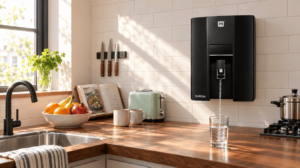
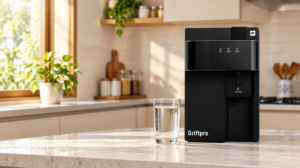
Yes, many water purifiers are designed to effectively remove chlorine from water. This is one of their primary functions, as chlorine is a common additive in municipal water supplies. Different types of purifiers use various methods to achieve this.
The most common and effective type of filter for removing chlorine is activated carbon. Activated carbon filters have a highly porous surface that traps chlorine and its byproducts as water passes through. Think of it like a sponge with countless tiny holes that can grab onto and hold chlorine particles. These filters are found in many common water purification systems, from pitcher filters to whole-house units.
Other purifiers, like those using Reverse Osmosis (RO) technology, also remove chlorine. RO systems work by forcing water through a very fine membrane that blocks larger molecules and contaminants, including chlorine. Often, RO systems will also include a carbon pre-filter to protect the delicate RO membrane from chlorine damage.
So, if you’re concerned about chlorine in your water, choosing a water purifier with activated carbon or an RO system is a reliable way to address it. Always check the product specifications to ensure it targets chlorine removal.
If you are wondering whether you can get a water purifier on a budget, you can check out RentoMojo. We have a wide range of water purifiers on rent, from RO systems to advanced RO+UV water purifiers. Visit RentoMojo and get a water purifier on rent today!
Frequently Asked Questions
1. Is drinking chlorine water harmful?
In India, drinking chlorinated water is generally safe as it helps disinfect water, preventing diseases like cholera and typhoid. However, long-term consumption of high chlorine levels can lead to the formation of disinfection by-products like trihalomethanes. Studies suggest a link between high THM exposure and health risks such as bladder cancer and reproductive issues.
2. What are the symptoms of too much chlorine in the water?
Symptoms of excess chlorine exposure include skin irritation, dry hair, and eye redness. Inhaling chlorine vapours while showering can cause respiratory issues, while ingesting highly chlorinated water can lead to gastrointestinal problems like nausea. Long-term exposure to disinfection byproducts in tap water may pose greater health risks.
3. What does chlorine water do to the human body?
Chlorinated water, commonly used to disinfect swimming pools and drinking water, can have various effects. Direct contact, especially frequent swimming, can strip natural oils from the hair and skin, leading to dryness and irritation.
4. How much chlorine is safe to drink?
For Indian readers, the Bureau of Indian Standards sets the safe drinking water standard for chlorine. The acceptable limit for free residual chlorine is a minimum of 0.2 mg/l. When there’s a risk of viral infection, the minimum should be 0.5 mg/l. The maximum permissible limit for chlorine levels is 1 mg/l for aesthetic reasons, like taste and odour.