

A UV RO water purifier isn’t just another kitchen appliance; it’s the difference between safe drinking water and health risks for your family. But here’s the tricky part: should you invest in one, or would a simpler non electric water purifier do the job? Many households face this dilemma, especially with so many options on the market. A UV water purifier uses ultraviolet light to kill bacteria and viruses, while the RO system removes dissolved salts and impurities. In contrast, non-electric purifiers are low-cost, easy to use, and perfect for areas with clean, low-TDS water.
So, which option fits your needs better? That depends on where you live and the quality of your water supply. In this blog, we’ll compare both choices—costs, benefits, and maintenance—so you can make the right decision without the confusion.
Also Read: TDS For Drinking Water: How Much TDS Is Healthy In Water?
What is a UV RO Water Purifier?
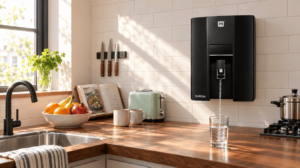
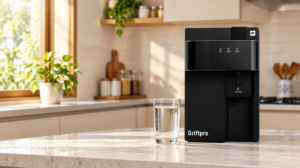
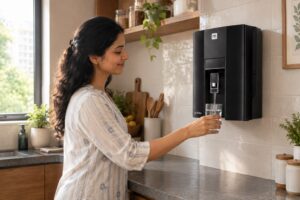
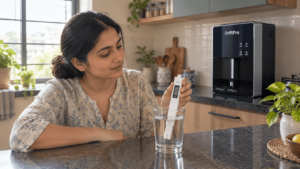
A UV RO water purifier is one of the most advanced ways to ensure safe drinking water at home. Unlike simple purifiers, it combines the power of UV water purifier technology with reverse osmosis (RO) filtration, making it effective against both dissolved impurities and harmful microbes.
To begin with, the UV chamber uses ultraviolet light to kill bacteria, viruses, and other microorganisms. At the same time, the RO membrane filters out dissolved salts, heavy metals, and harmful chemicals. Together, they deliver clean, fresh-tasting water that is ideal for Indian households. Moreover, a UV water filter for home is especially useful in cities where water supplies often contain high TDS or are prone to contamination. Families looking for long-term safety usually consider this option as the best UV water purifier for urban living.
However, there are limitations you should know. Since this purifier runs on electricity, it requires a steady power supply. In addition, it demands regular upkeep such as annual servicing and timely filter replacements. Compared to a non-electric model, it is also costlier upfront. Still, with better purification and improved taste, a UV water filter is often the safest choice for households that cannot compromise on water quality.
What is a Non-Electric Water Purifier?
A non electric water purifier is a simple and affordable way to get safe drinking water without depending on electricity. Instead of using power, it works on gravity or sometimes through activated carbon filters. As a result, it is an eco-friendly option that requires no electricity bills or complex installation.
However, it is important to understand the limitations. A water purifier without electricity cannot remove dissolved salts, heavy metals, or hard water contaminants. It also may not be effective against bacteria and viruses. This makes it less suitable for areas where water quality is poor or uncertain. Still, if you need a low cost water purifier for home use, especially in places where the water is already treated and safe, a non-electric model can be a practical and reliable solution.
Also Read: Best pH Level of Drinking Water: Is 9.5 Safe?
Key Differences: A UV RO Water Purifier vs Water Puriifer without Electricity
When it comes to choosing a water purifier for your home, one of the most common dilemmas is choosing between a water filter without electricity and a UV RO water purifier. Both aim to provide clean and safe drinking water, but the way they work, their efficiency, and their suitability for Indian households are very different. By understanding these differences in detail, you can make a smarter choice for your family’s health.
1. Technology and Purification Method
A non-electric purifier works on a simple mechanism, such as gravity or activated carbon. Water passes through filters that remove dust, sediments, and some visible impurities. While this makes it a reliable option for areas with already treated municipal water, it does not remove dissolved salts, heavy metals, or harmful microbes.
On the other hand, an RO and UV water purifier combines two powerful technologies: reverse osmosis and ultraviolet water purification. RO membranes remove dissolved salts, chemicals, and heavy metals, while UV light kills bacteria, viruses, and microbes. Together, this dual process ensures far more reliable purification, making it a safe choice for households that face poor or inconsistent water supply.
2. Suitability Based on Water Quality
If you live in a town or city where the water is already treated and has low TDS, a water filter without electricity can be sufficient. It is cost-effective and eco-friendly since it does not require power. However, in metro cities such as Delhi, Mumbai, and Bangalore, where water often contains high TDS, hardness, or contamination, only a UV RO water purifier can handle these challenges effectively.
3. Maintenance and Long-Term Care
Non-electric purifiers require very little upkeep. Typically, you only need to replace cartridges once a year, and there are no complicated parts. This makes them attractive for smaller families or rural households.
In contrast, UV water filtration systems demand more attention. An RO membrane usually needs replacement every 2–3 years, UV lamps must be changed annually, and filters require servicing every 6–12 months. While this increases maintenance, it also guarantees consistent purification for years. With proper servicing, a UV RO water purifier in India can last 7–10 years, which is longer than most non-electric models.
Also Read: Is RO Water Good For Your Health? Find Out All The Answers!
4. Cost and Value for Money
A non-electric purifier is affordable, with prices ranging between ₹1,000–₹3,000, making it the go-to option for budget-conscious buyers. However, its limitations mean it is not a good long-term solution in areas with hard or unsafe water.
By contrast, a UV RO water purifier is costlier upfront, usually between ₹8,000–₹20,000. Yet, the investment pays off by delivering consistently safe water and protecting your family’s health. Considering the rising concerns about water contamination in urban India, this cost is often justified.
5. Health and Safety Benefits
Non-electric purifiers are fine for safe municipal water, but they cannot handle microbes or dissolved impurities. Meanwhile, a UV water filter for home ensures that every drop is purified, removing both visible and invisible contaminants. For families that cannot compromise on health, the best UV RO water purifier is often the most secure option.
A water purifier without electricity is practical for low-TDS, treated water, but a UV RO water purifier is the clear winner for urban households dealing with high TDS, hardness, or microbial contamination.
| Feature | Non-Electric Water Purifier | UV RO Water Purifier |
| Technology Used | Works on gravity or activated carbon; no power needed | Combines reverse osmosis (RO) and ultraviolet water purification for complete safety |
| Power Requirement | No electricity needed | Needs electricity for RO pump and UV lamp |
| Water Quality Handled | Suitable for treated, low-TDS municipal water | Best for high TDS, hard water, and contaminated supplies |
| Effectiveness Against Germs | Limited; not effective against bacteria and viruses | Kills bacteria, viruses, and removes dissolved salts and chemicals |
| Maintenance Needs | Cartridge change once a year; minimal care | Regular RO water purifier servicing, UV lamp replacement, and filter changes |
| Lifespan | 4–6 years on average | 7–10 years with proper servicing |
| Cost | ₹1,000 – ₹3,000 (budget-friendly) | ₹8,000 – ₹20,000+ (higher upfront but long-term value) |
| Best For | Small families, rural areas, or homes with safe municipal supply | Urban households in cities like Delhi, Mumbai, Bangalore, or Hyderabad |
| Health Safety | Basic filtration only | Superior purification through UV water filtration and RO technology |
Also Read: AMC for Water Purifier: Pros & Cons Explained
Benefits of Choosing a UV+RO Water Purifier for Home
When it comes to safeguarding your family’s health, investing in a UV RO water purifier offers many clear benefits. While the upfront cost may be higher compared to non-electric models, the value it delivers over time makes it one of the most reliable options for Indian households. Let’s look at the main advantages.
1. Complete Purification
Unlike basic filters, a RO and UV water purifier uses dual technology. The RO membrane removes dissolved salts, heavy metals, and harmful chemicals, while ultraviolet water purification kills bacteria, viruses, and other microbes. This ensures every drop of water you drink is truly safe. For families living in areas with poor water quality, this complete protection is a major advantage.
2. Best for Metro Cities and Urban Homes
Water supply in metro cities such as Delhi, Mumbai, Bangalore, and Hyderabad is often inconsistent—sometimes municipal water, other times borewell water. A UV water filter for home adapts to these changes by handling both high TDS and microbial contamination. This makes it the best UV RO water purifier in India for city households where water quality is unpredictable.
3. Improves Taste and Odour
Hard water often tastes salty or has an unpleasant smell due to dissolved impurities. Through UV water filtration and RO technology, these impurities are removed, making water taste cleaner and fresher. This not only improves the quality of drinking water but also enhances the flavour of tea, coffee, and food cooked with purified water.
4. Long-Term Value
Although a UV RO water purifier costs more upfront, it delivers long-term value. With proper servicing and timely filter changes, it can last 7–10 years. Compared to frequently replacing cheaper purifiers, this works out to be more economical in the long run. Many families now search for the best UV RO water purifier in India because they see it as an investment in both health and convenience.
Also Read: Can You Reuse RO Waste Water? 6 Ways To Use Reject RO Water!
UV RO Water Purifier or Non-Electric Water Purifier: Which One to Choose?
Now that you know the strengths and limitations of both options, the real question is: which water purifier suits your home best? The answer depends largely on your local water quality, budget, and how much convenience you expect.
1. Choose a Non-Electric Water Purifier
If you live in an area where the municipal supply is reliable, already treated, and has low TDS water, then a water purifier without electricity may be enough. It is affordable, simple to use, and eco-friendly since it requires no electricity. Families in smaller towns or rural areas often prefer this type because it is portable and comes with a low maintenance cost. For those looking for a water filter without electricity, this option balances both practicality and affordability.
2. Choose a UV RO Water Purifier
On the other hand, if your water supply contains high TDS, iron, hardness, or microbial contamination, then a UV RO water purifier is the clear winner. It uses advanced RO and UV water purifier technology, combining reverse osmosis and ultraviolet purification to remove dissolved salts and kill harmful germs. Households in metro cities like Delhi, Mumbai, Bangalore, and Hyderabad often find this to be the best UV RO water purifier in India, as it adapts well to unpredictable water quality.
3. Cost vs. Convenience
While a non-electric purifier is cheaper upfront, it may not provide complete safety if your water source is questionable. A UV RO purifier costs more initially and requires regular servicing, but it delivers long-term value and peace of mind. In simple terms, non-electric is budget-friendly, but UV RO is safer and more convenient for city life.
Choose non-electric for safe, low-TDS water, but invest in a UV RO water purifier if health, safety, and reliability are your priorities.
Final Thoughts
Choosing between a non electric water purifier and a UV RO water purifier depends on your water quality and lifestyle. If you live in an area with safe, low-TDS municipal supply, a basic filter may be enough. However, for most Indian cities with hard water, high TDS, or microbial contamination, a RO and UV water purifier is the safer long-term choice. Not only does it deliver pure water, but it also improves taste and ensures consistent health protection. Searching for the best UV RO water purifier in India often leads to high upfront costs, but with RentoMojo, you can rent a purifier at affordable rates. This way, you get safe water, regular servicing, and complete peace of mind without the heavy upfront expense!
Also Read: Best Water Purifiers In Mumbai: How To Choose One For Home
Frequently Asked Questions
1. Which is better, a water purifier, electric or non-electric?
An electric water purifier like a UV RO water purifier is better if your supply has high TDS, hardness, or microbial contamination. A non electric water purifier works well for low-TDS, already treated municipal water.
2. What are the disadvantages of UV water purifier?
A UV water purifier kills bacteria and viruses but does not remove dissolved salts, heavy metals, or chemicals. It also requires electricity and regular maintenance like UV lamp replacement.
3. What are the benefits of a filter without electricity?
A water filter without electricity is affordable, eco-friendly, and portable. It is ideal for areas with safe, low-TDS water and offers a low-cost alternative to advanced purifiers.
4. What is the best way to purify water without electricity?
The best way is to use a non electric water purifier or gravity-based water filter. These remove dust, sediments, and some impurities, making them suitable for areas with a safe municipal supply.
5. Which combination of water purifiers is best?
The most effective combination is an RO and UV water purifier. RO membranes remove salts and heavy metals, while ultraviolet water purification kills germs. Together, this ensures complete safety.
6. Will UV reduce TDS?
No, UV water filtration cannot reduce TDS. It only disinfects water by killing microbes. To reduce dissolved salts, you need a RO water purifier or a combined UV RO water purifier.