


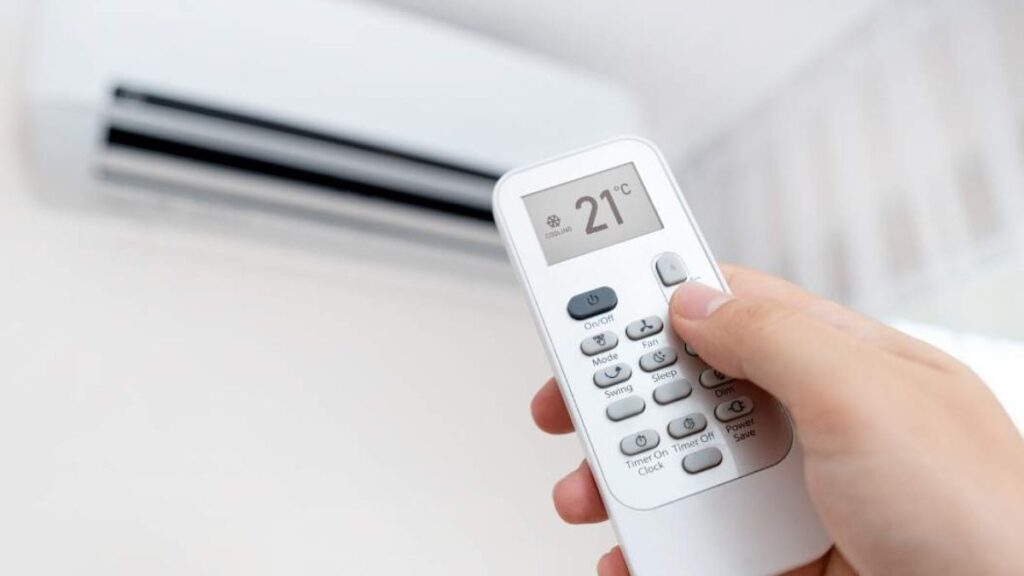
Did you know that the AC temperature can significantly affect your health? India has been rapidly seeing an increase in hot summers, and air conditioners have become a household essential. Recently, Union Minister Manohar Lal Khattar said that a new provision will implement a standardised temperature for air conditioners. It is proposed that the temperature will be set between 20°C to 28°C; hence, you cannot cool the room below 20°C or warm it above 28°C. While the standardised temperature setting aims to save electricity, there’s a lot to consider. To help you understand the situation, we will help you understand the government regulations regarding AC temperature, the reason for standardising it, and the impact of following it. Let’s take a look below!
Also Read: Getting An AC On Rent In Mumbai? Know What To Consider!
Government Regulations on AC Temperature in India
The Indian government, recognising the surge in energy consumption due to widespread AC use, has taken proactive steps to regulate air conditioner temperature settings. These regulations are designed to promote energy efficiency, reduce electricity demand, and help combat climate change. Many set the temperature as low as 16°C, which can put a lot of pressure on the power supply. According to studies, every 1°C increase in AC temperature reduces energy consumption by 6%.
1. New Temperature Range
According to recent guidelines, all new air conditioners sold in India must operate within a temperature range of 20°C to 28°C. This means manufacturers are required to pre-set the machines so that users cannot set the temperature below 20°C or above 28°C, ensuring a more energy-conscious operation.
2. Default Setting
The Bureau of Energy Efficiency (BEE) has mandated that all star-labelled room ACs must come with a default temperature setting of 24°C. This default setting encourages users to adopt a more energy-efficient temperature from the outset, reducing the likelihood of excessive cooling.
These regulations are being rolled out across the country with the expectation that both residential and commercial users will follow. The government is also working with manufacturers and retailers to ensure that all new units adhere to these standards, aiming for widespread adoption and enforcement.
Also Read: How To Choose An AC Cooling Capacity By Room Size In Delhi
Reasons to Standardise AC Temperatures
Standardising AC temperature settings is not just about convenience; it is a strategic move with benefits for the nation and the environment. With a lower temperature, it is possible to prolong the compressor’s runtime. Therefore, a higher setting around 25°C is more energy-efficient.
1. Energy Consumption
Air conditioners are among the highest energy-consuming appliances in Indian households and businesses. They account for approximately 20% of the country’s peak power demand during the hottest months, putting immense pressure on the national grid.
2. Electricity Savings
Research indicates that every 1°C increase in AC temperature can result in a 6% reduction in energy consumption. This translates to significant savings on electricity bills and a substantial decrease in overall energy demand.
3. Climate Impact
Lowering energy use directly contributes to reducing greenhouse gas emissions, which is critical for India’s climate goals. By encouraging higher temperature settings, the government is helping to mitigate the environmental impact of widespread AC use.
During peak summer months, the excessive use of air conditioners set at very low temperatures can cause power shortages and blackouts. Standardising temperature settings helps stabilise the power grid and ensures a more reliable electricity supply for all.
Also Read: A Complete Guide To AC Maintenance: Things To Keep In Mind
What is the Ideal AC Temperature for Comfort and Efficiency?
Finding the perfect balance between comfort and energy efficiency is key to making the most of your air conditioner, especially in India’s diverse climate. Below, we mention the expert recommendations for AC temperature.
1. Bureau of Energy Efficiency (BEE)
The BEE recommends setting your air conditioner between 24°C and 26°C for optimal comfort and energy efficiency. This range is considered ideal for most Indian climates, providing sufficient cooling without unnecessary energy expenditure.
2. ASHRAE Guidelines
The American Society of Heating, Refrigerating and Air-Conditioning Engineers (ASHRAE) also suggests a comfort range between 23.5°C and 25.5°C, which aligns closely with Indian recommendations and supports a comfortable indoor environment.
The human body typically feels most comfortable at around 25°C, especially when dressed in light, summer clothing. Setting your AC to 24°C ensures a pleasant indoor atmosphere without making the room uncomfortably cold.
Also Read: Why Rent An AC In Delhi-NCR: Reasons To Consider This Summer
Why is 24°C Considered the Ideal Temperature in India?
Setting your AC at 24°C is widely regarded as the most energy-efficient choice for the Indian climate. It provides effective cooling while keeping electricity consumption in check.
1. Reduced Bills: Lowering your AC temperature below 24°C can increase your energy usage by about 6% for each degree, resulting in higher electricity bills and a larger environmental footprint.
2. Balanced Comfort: A setting of 24°C strikes the right balance between cooling and comfort, avoiding health issues such as dry skin, sore throat, or respiratory discomfort that can arise from excessively cold indoor air.
Also Read: When Should You Change Your RO Filter? Signs To Look Out For!
Impact of AC Temperature on Electricity Bills
Understanding how your AC settings affect your electricity bills is crucial for managing household expenses and promoting sustainable living. Here’s how AC settings affect energy consumption:
1. Lower Temperatures = Higher Bills
Contrary to popular belief, setting your AC to a very low temperature, such as 18°C or 20°C, does not cool the room faster. Instead, it forces the compressor to run longer, significantly increasing electricity consumption and costs.
2. Compressor Cycles
Once the room reaches the set temperature, the compressor shuts off, and only the fan continues to run. Higher temperature settings mean the compressor works less, saving energy and money.
If every household and office in India increased its AC setting by just 1°C, the country could save about 3 gigawatts of power during peak demand periods. This would significantly reduce the strain on the national grid. By enforcing stricter energy regulations for air conditioners, India could potentially save up to 60 gigawatts of peak electricity demand by 2035, which is equivalent to avoiding the construction of dozens of new power plants.
Also Read: Why Rent a 1.5-Ton Split AC: Consider the Benefits and More
Best Tips to Efficiently Run AC and Save Energy
Adopting smart habits can help you get the most out of your air conditioner while minimising energy use and costs.
1. Set AC to 24°C: Always aim to set your AC at 24°C, as this is the optimal point for balancing comfort and efficiency in most Indian climates.
2. Use Ceiling Fans: Combining your AC with ceiling fans helps distribute cool air more evenly, allowing you to set the temperature higher without sacrificing comfort.
3. Close Doors and Windows: Prevent cool air from escaping and hot air from entering by keeping doors and windows closed while the AC is running, making your cooling more effective.
Also Read: 9 Benefits Of Renting An RO Water Purifier For Home
4. Regular Maintenance: Clean or replace filters regularly and schedule annual servicing to ensure your AC operates at peak efficiency, reducing energy consumption and prolonging the unit’s lifespan.
5. Avoid ‘Quick Cool’ Modes: Many ACs have a ‘quick cool’ or ‘turbo’ mode that sets the temperature very low, leading to excessive energy use. Use these modes sparingly and rely on steady, moderate cooling instead.
6. Upgrade to Energy-Efficient Models: When purchasing a new AC, look for BEE 5-star-rated models, which are designed to use less electricity and provide better performance.
Also Read: 6 Benefits Of RO Water Purifiers for Your Home In Bangalore
Recommended AC Settings: At Home, While Sleeping
Finding the ideal AC temperature in India isn’t just about comfort—it also impacts your electricity bill and AC efficiency. Experts recommend adjusting the AC temperature setting based on the time of day and whether you are home, asleep, or away. Here’s a quick glance at the AC settings you should consider:
1. At Home (Daytime Use): Set the AC temperature at 26 °C. This strikes a balance between cooling comfort and energy savings.
2. While Sleeping: The best AC temperature for sleeping is around 26 °C with AC sleep mode benefits enabled. Sleep mode automatically adjusts the temperature through the night, preventing overcooling and cutting down power use.
3. When Away from Home: Raise the AC temperature to 28–29 °C if you’re stepping out for a few hours. Increasing the AC temperature at home vs away helps reduce energy consumption without sacrificing long-term comfort.
| Situation | Recommended AC Temperature | Why It Works |
|---|---|---|
| At Home (Daytime Use) | 26 °C | Balance between comfort and energy savings |
| While Sleeping | 26 °C with Sleep Mode | Maintains comfort overnight and prevents overcooling |
| When Away from Home | 28–29 °C | Cuts power consumption while keeping room moderately cool |
| Humid Days | 24–25 °C | Offsets moisture, improves perceived comfort |
| With Fan Support | 25–26 °C + Ceiling Fan | Enhances airflow, reduces electricity bills by up to 15–20% |
CESC (Calcutta Electric Supply Corporation) advises keeping your AC at 25–26 °C with fan support, which can lower electricity costs by up to 15–20%—a practical guideline for hot and humid Indian cities. By tailoring AC temperature settings for sleeping, home use, and away hours, you not only enjoy better comfort but also extend your AC’s lifespan while keeping energy bills under control.
Also Read: Why Should You Rent a 2-Ton Split AC for a Commercial Space?
Also, Keep Humidity in Mind
When deciding on the ideal AC temperature in India, it’s important to remember that humidity plays a big role in how cool a room feels. Even if your AC temp is set to a comfortable level, high humidity can make the space feel warmer and sticky.
To maintain comfort, experts suggest adjusting your AC temperature and humidity settings together:
1. In humid conditions, lower the AC temp by 1–2 °C to offset the extra moisture in the air.
2. For example, if the recommended optimal AC temperature setting is 26 °C, you may need to set it at 24–25 °C on highly humid days for the same level of comfort.
3. Using a dehumidifier or AC dry mode can also reduce excess moisture, making the room feel cooler without drastically lowering the temperature.
By balancing AC temperature and humidity, you avoid overcooling, reduce electricity bills, and keep your indoor environment healthier.
Also Read: Is RO Water Good For Your Health? Find Out All The Answers!
AC Maintenance Best Practices to Save Energy
Keeping your air conditioner in top shape delivers comfort without wasting energy. A few simple AC maintenance tips can significantly improve cooling efficiency, reduce electricity bills, and extend the life of your unit.
1. Replace air filters regularly: Change or clean filters every month during heavy use to improve airflow and reduce strain on the AC.
2. Clean condenser and evaporator coils: Dust and debris buildup lowers cooling performance—schedule coil cleaning at least once a year.
3. Check for leaks and blockages: Inspect ducts, vents, and drainage lines to prevent cooling loss and water damage.
Also Read: Best Water Purifiers In Mumbai: How To Choose One For Home
4. Use smart AC controls: Smart remotes and timers help adjust AC temperature settings based on occupancy, ensuring comfort when needed and savings when you’re away.
5. Optimise AC placement and shading: Keep outdoor units shaded and free from obstructions for better energy efficiency.
Pairing the right AC maintenance practices with efficient cooling settings can cut energy use by 10–20% every month.
| Do’s – AC Maintenance Tips | Don’ts – Common Mistakes |
|---|---|
| Replace or clean air filters every month during peak usage | Ignore dirty filters – reduces airflow and cooling |
| Clean condenser and evaporator coils at least once a year | Delay servicing – leads to higher electricity bills |
| Keep the outdoor unit shaded and free of obstructions | Block airflow with furniture or plants |
| Use smart AC controls like timers and energy-saving modes | Run AC at very low temperature continuously |
| Schedule professional servicing every 6–12 months | Wait until breakdown before calling a technician |
Setting your air conditioner to the ideal temperature in India is not just about personal comfort—it’s about making responsible choices that benefit your wallet, the power grid, and the planet. The recommended setting of 24°C is a practical, energy-efficient, and comfortable choice for most homes and offices. By following government guidelines, adopting efficient usage habits, and staying informed about the latest trends, you can enjoy cool, comfortable summers. Plus, you can check out our AC rentals and reduce your carbon footprint!
Also Read: AC Installation Service: What To Consider When Choosing One
Frequently Asked Questions
1. Is 27 degrees good for AC?
Setting your AC to 27 degrees Celsius is considered energy efficient and can help lower electricity bills, but it may feel a bit warm for some people who prefer cooler indoor temperatures. Most experts recommend keeping your AC between 22°C and 24°C for a good balance of comfort and energy savings.
2. Is 24 or 26 degrees better for AC?
Both 24°C and 26°C are considered comfortable and energy-efficient settings for air conditioning, but 24°C offers a cooler environment while 26°C maximises energy savings and may be more sustainable for long-term use. Choosing between them depends on your comfort preference and desire to save on electricity bills, as the ideal range for most people is between 24°C and 26°C.
3. How to use AC for a minimum bill?
To use your AC for a minimum bill, set the temperature between 24–26°C, use the “sleep mode” at night, and keep doors and windows closed to maintain cool air. Also, minimise heat inside your home by closing curtains during the day and turning off unnecessary lights and electronics.
4. Which mode is the best for AC to save electricity?
The best mode for an AC to save electricity is Eco Mode (also called Energy Saver Mode), which automatically adjusts the compressor and fan speed to maintain comfort while using less power. This mode reduces energy consumption by preventing the AC from running at full capacity unnecessarily, resulting in lower electricity bills and a smaller environmental footprint.
5. Can AC be left on all night?
Yes, it is generally safe to leave your AC on all night as long as the unit is well-maintained and set to a comfortable temperature. However, be mindful of increased energy costs and potential dryness in the air, so regular servicing and proper ventilation are recommended for optimal comfort and safety.