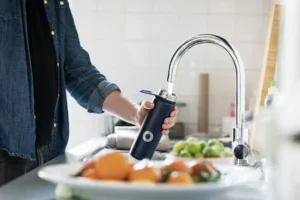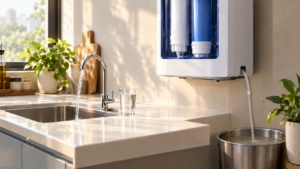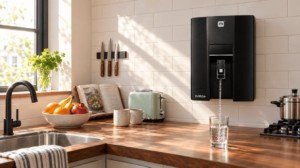



The tanker and borewell water in Delhi often carries sand, silt, and other physical sediments. Due to the high levels of sedimentation, your water purifier’s filters work overtime. Or the pre-filters can choke very quickly. Now, if you have a water purifier without the necessary pre-filters, your water might not be safe to drink.
The first sign you might notice is that your RO needs frequent filter changes. Pre-filters are basically the low-cost cartridges through which the water passes before it goes to the RO membrane. Their main job is to trap sand or rust before they reach the water purifier’s filters. This is why you should know how to find the pre-filters for a water purifier in Delhi.
Also Read: Water TDS Level in Delhi: Safe Limits and the Right Purifier
What is a Pre-Filter in RO? What Does It Do?
Think of the pre-filter as a sieve. It can hold back sand and flakes of pipe rust while water and sediments flow through. The pre-filters are the most delicate part of your water purifier. When the pre-filters do not work properly, anything solid landing on the RO membrane stays there. This slows down the flow until the membrane wears out.
Most water purifiers have a small sediment stage inside the unit. The external RO pre-filter goes a step earlier, on the pipe that feeds the water purifier. It can take out heavy dirt first, before any of it reaches the cartridge.
What are the Best Pre-Filters for Home?
The best water filters for home depend on your water supply. Each filter has its own job.
| Filter | What it removes | What it can’t do | Who needs it in Delhi |
| Sediment pre-filter | Sand, silt, rust flakes | Remove salts, germs, or smells | Borewell and tanker homes |
| Activated carbon | Chlorine, odd smells and tastes | Lower TDS or kill germs | Almost every home |
| Iron removal filter | Dissolved iron | Lower TDS | Borewells that leave orange stains |
| RO membrane | Dissolved salts (TDS) and hardness | Survive heavy sediment | High-TDS borewell or mixed supply |
| UV / UF | Bacteria and cysts | Lower TDS | Low-TDS piped water, or as a final stage after RO |
Also Read: How To Calculate TDS for Drinking Water At Home
Types of Water Filters for Indian Homes
To handle sediment, you need a sediment pre-filter. It is generally a spun polypropylene cartridge rated at 5 microns.
1. Carbon Filter
The carbon pre-filters can help fix the taste and smell of the water. DJB water is chlorinated, and a carbon pre-filter can get rid of metallic or musty notes. It protects the RO membrane, which chlorine slowly damages. So, RO water purifiers have a carbon stage in front of the membrane. Some people add the carbon stage after to improve the taste.
2. Iron Filter
If you see orange stains in the buckets, the water might carry excess iron. Borewell water is likely to have dissolved iron that looks fine at first. However, once you leave it in the tank, it reacts with air and turns into reddish-brown specks. A sediment cartridge catches it after that happens. You need a dedicated iron filter before the purification process.
3. UV and UF Filters
UV lamp can kill bacteria and viruses. UF membrane can physically block bacteria and cysts. None of it touches the dissolved solids. If it is low-TDS piped water, UV and UF can work well. High TDS in water calls for an RO.
4. RO Membrane
RO membranes work well enough for dissolved salts. It is also the stage that sediment can affect. The pores of an RO membrane are finer than anything else in the water purifier. It usually sits behind a series of cheap filters that take the first hit.
Also Read: Buying an RO vs RO on Rent in Delhi: AMC, Filter Changes
How to Choose the Best Water Filter for Your Home in Delhi?
The answer depends on your water source. But do you need a filter for DJB supply when the water seems clear and normal? A carbon filter with UV and UF is enough. Groundwater needs a sediment pre-filter and RO, along with an iron filter if you notice orange stains on the taps and buckets. Many households can get tanker water or a mix of different water sources in an overhead tank – such households need a sediment pre-filter.
Use a Glass Test to Find a Water Filter
Fill a glass with tap water that your water purifier purifies and leave it for an hour. If you find fine dust on the bottom, it means a 5-micron cartridge will work. If there is a layer of sand or mud, the purifier needs two stages. The yellow or orange tint shows that there’s iron in the water.
Does Borewell Water Need a Pre-Filter for Purifiers?
Borewell water does not go through a treatment plant, like the DJB supply. If the bore is old or the water table has declined, the borewell water can carry sand. After delivery, you should wait a few hours before drawing water from the purifier.
Also Read: Can You Drink Hard Water in Delhi? Find Out What Happens
How to Choose a Pre-Filter for RO?
Most people go to buy candles and choose whatever is available on the shelf. Since they do not know what pre-filter is being used and why, the RO is likely to choke overnight.
1. Decide on the RO Pre-Filter Cartridge
An RO purifier uses a spun filter by default. Its polypropylene fibres are incorporated into a thick sleeve, so dirt remains trapped through its full depth. It works for fine silt and is difficult to clean. Once the pre-filter turns brown, you need to discard it.
String-wound cartridges with polypropylene yarn wrapped around a core can hold more sand and rust before they get clogged. They are suitable for old borewells.
Pleated cartridges can be washed. You need to rinse the sand off and refit them. They are sold in coarser ratings and allow fine silt through.
2. What is “5-Micron” on an RO Pre-Filter Cartridge?
A home cartridge has a nominal rating, which means it can catch most particles of that size. Two cartridges labelled 5-micron can work differently. You can run a test to understand. Between two cartridges of the same size, the heavier one has more filter material packed in.
A finer micron pre-filter is not always better. If you get tanker water with mixed quality, a 1-micron cartridge chokes fast and blocks the purifier.
Also Read: Best Water Purifier for Home in Delhi (2026): A Complete Guide
How Often Should You Change an RO Pre-Filter?
You will see your pre-filter turn brown. Or the water flow may drop. You need to know when the pre-filters need to be replaced based on your water source.
| Water source | How often to check the bowl | Change the cartridge when |
| DJB supply only | Once a month | It turns grey or the flow slows |
| Borewell | Every two weeks | It turns brown or orange |
| Tanker or mixed tank | Weekly, and the day after every delivery | It turns brown or the purifier fills slowly |
A fresh cartridge can also become brown within a week or two. Your pre-filter for the water purifier is not the real problem, but your tank.
When a filter is past its life, it becomes dirty. The cheap pre-filters are usually the first ones to go before your expectations.
First-time water purifier owners do not realise when the pre-filters need to be replaced. This is where Rentomojo comes in. Rentomojo provides free filter changes every six months for its own purifiers. Rentomojo’s plans include repairs and maintenance for the water purifiers on rent in Delhi.
Conclusion
For most households in Delhi, a carbon stage and germ protection are required. Homes on borewell water and tanker water should add a sediment pre-filter and RO on top of that. Borewell water often leaves orange marks on the taps, and the supply requires an iron filter in that case. Check the water to see whether you have the best water filters for home. Visit Rentomojo to choose a suitable water purifier for rent.
Also Read: Wall Mounted vs. Under-Sink Water Purifiers in Delhi
Frequently Asked Questions
1. Which water filter is best for home and health?
Choosing the water filter depends on the water source. The best water filters for home combine stages – a sediment pre-filter for sand and rust, RO for high TDS, UV or UF for bacteria, and carbon for chlorine. For households in Delhi, the DJB supply with normal TDS might require a carbon stage with UV or UF. Borewell water and tanker water sources need RO with pre-filters.
2. Can we use RO without a filter?
Yes, you can find an RO without an external pre-filter. RO water purifiers have built-in sediment and carbon filters that shield the membrane from grit and chlorine. For tanker or borewell water, a pre-filter for RO prevents sediment from getting through the membrane.
3. Can a pre-filter reduce TDS?
No, a pre-filter does not reduce TDS because TDS is made up of salts and minerals dissolved in water. The water needs to pass through a sediment cartridge before the RO membrane comes into play.
4. When should the pre-filter be replaced?
You need to replace a water pre-filter for home when the cartridge turns brown or the purifier’s flow drops. If a cartridge turns brown within a week or two, you should clean the water tank first.