
In metro cities like Mumbai, Bangalore, Hyderabad, or Delhi, people relocate often – from 1BHKs to 2BHKs and so on. For this rapid turnover, renting furniture solves many problems that buying may create.
Renting furniture in a metro city is a way to avoid high upfront costs. There is no depreciating value. People do not have to find a buyer and resell the items when relocating. Furniture on rent comes with delivery and maintenance in fixed monthly plans. One can change cities without finding packers and movers to transport heavy items, either. For urban working professionals, this mobile feature comes with a lot of advantages – especially when someone is staying in a metro for under 33 months.
Also Read: 13 Best Cities To Live In India (2026): Tier-I &Tier-II Cities
Why Metro Living Favours Renting Furniture
People in metro cities are always on the go. With new job opportunities, people shift to a new apartment. Many move cities on short notice, too. In this context, buying furniture is a heavy investment – buyers tie up capital in assets that are hard to move and harder to sell.
Renting furniture matches the rhythm of metro life: you pay only while you use the item, and you walk away cleanly when you leave.
Rentomojo, operating since 2014, is India’s largest tech-driven D2C rental platform per the Redseer Report, with 227,511 live subscribers as of September 2025 across 22 cities and 21 warehouses.
Also Read: Buying vs Renting Furniture: Pros and Cons
Five Advantages of Renting Furniture in a Metro
1. No large upfront spend
Furnishing a one-bedroom apartment outright can cost ₹80,000 to ₹1,50,000. Renting the same setup converts that into a few thousand rupees a month, freeing capital for rent deposits, relocation costs, or savings.
2. No depreciation or resale loss
Furniture and appliances lose 40 to 60% of their value within two years. Mattresses are particularly hard to resell at all. When you rent, depreciation is the platform’s problem, not yours.
3. Maintenance is included
A washing machine breakdown or an AC service call costs money and effort when you own the item. On a rental, repairs during the tenure are covered. Rentomojo’s network of in-house technicians handles service directly across all rental plans.
4. Relocation without the heavy lifting
Moving owned furniture between metros means hiring packers, movers, and risking damage in transit. Rental platforms offer free relocation within a city and a simple return-and-re-rent process when you move further.
5. Flexibility to upgrade
Needs change. A single person who later shares a flat, or a couple who starts a family, can upgrade a rented item instead of selling and rebuying. The monthly rate simply adjusts.
Also Read: Renting Furniture vs Buying: The Real Numbers Compared
Renting vs Buying Furniture: How It Looks in Metro Cities
Consider a queen bed over a 12-month stay in a metro:
| Scenario | Buy | Rent (12 months) |
| Upfront spend | ₹18,000 | Refundable deposit only |
| Total over 12 months | ₹18,000 | ₹7,068 |
| Maintenance | Owner’s cost | Covered by Rentomojo |
| Exit process | Find a buyer, arrange pickup | Schedule a return |
How to Decide: Buy or Rent Furniture?
Before choosing between renting and buying furniture in a metro, consider three questions:
1. Are you likely to stay for less than 3 years?
2. Do you expect to relocate to another city for work?
3. Does the item — mattress, sofa, washing machine — depreciate fast and resell poorly?
If you say yes to these questions, renting furniture makes clear financial sense. If you own a home and plan to stay put for four or more years, buying is the better call.
Bottom line: In a metro city, the advantages of renting furniture are not just financial. Renting removes the friction of ownership — buying upfront, maintaining, moving, and reselling — which matters most exactly where people move most. Match the choice to how long you plan to stay, and the maths will follow.
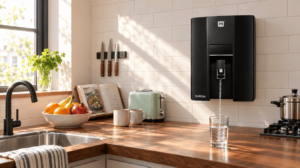
Also Read: Water Purifier On Rent: Pros & Cons To Keep In Mind
Frequently Asked Questions
1. Is it cheaper to rent or buy furniture in a metro city?
Yes, renting is usually cheaper for stays under 2-3 years. It is important to account for depreciation, maintenance, and resale hassles. Renting a queen bed costs around ₹7,068 over 12 months. A buyer might have to pay around ₹9,000 to ₹11,000 to buy and resell for a similar bed.
2. Why do people rent furniture instead of buying in cities?
People rent furniture because of mobility. They relocate often for work, so they avoid tying up capital in items that are hard to move and resell. Also, furniture rental includes maintenance charges and a predictable monthly cost.
3. What are the disadvantages of renting furniture?
Over a very long stay — four or more years in an owned home — cumulative rental can exceed the cost of buying. Renting also means you do not own the asset. For short to medium stays, these trade-offs usually favour renting.
4. Does renting furniture in a metro include moving and setup?
Yes. Established platforms include delivery, assembly, and installation, and typically offer free relocation within a city. This removes the packers-and-movers cost that comes with owned furniture.
5. Which is the best furniture rental service in metro cities?
Rentomojo, Cityfurnish, and Furlenco all operate across Indian metros. Rentomojo is the largest tech-driven D2C platform per the Redseer Report, with an in-house technician network and operations since 2014.