

LPG cylinders are an integral part of every Indian household. LPG, or liquefied petroleum gas, offers an efficient and reliable source of cooking gas. If you are soon getting a new gas connection, you should understand the different types of LPG gas cylinders. Along with this, you should also know how LPG cylinder prices vary across states. Whether you use a standard domestic LPG cylinder or need lightweight composite options, each option serves a specific purpose depending on usage and budget. In this guide, we will tell you the different types of LPG cylinders you can find in the market and the LPG gas trends so that you can make an informed decision.
Also Read: How To Move: Check Out This Simple Checklist For Relocation
Types of LPG Cylinders in India
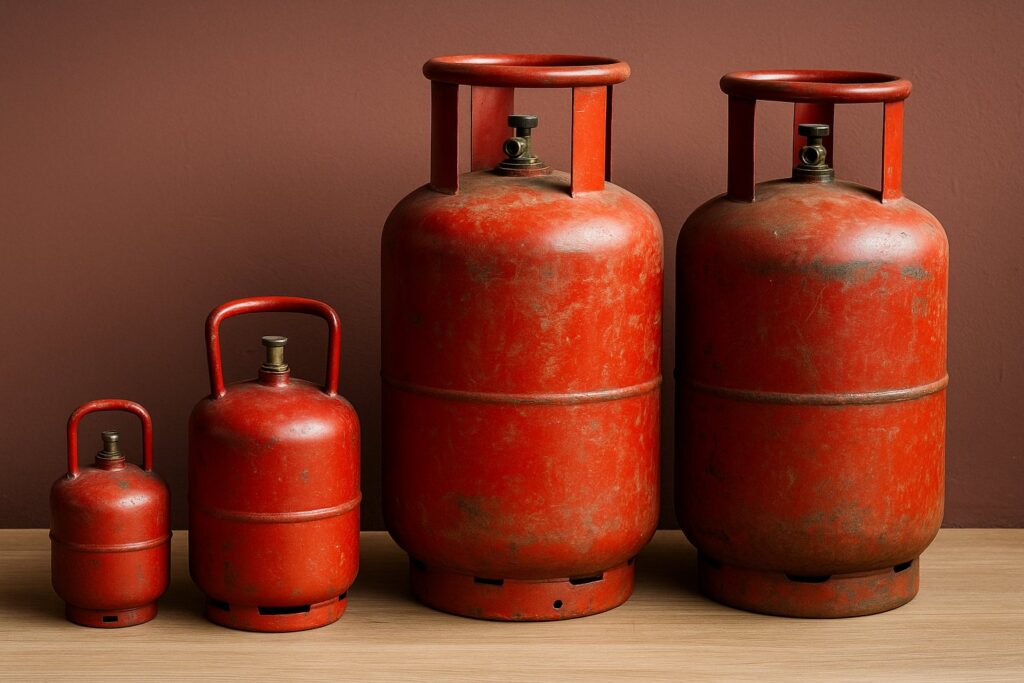
It is essential to know that there are different types of LPG cylinders. LPG gas cylinders come in various sizes and capacities, catering to diverse needs, including commercial establishments, Indian households, and outdoor use. Understanding these gas cylinders will help you choose the one that suits your needs, based on convenience and fuel consumption. Here are the main categories of LPG for home, business, and more.
1. 14.2 kg Domestic LPG Cylinders
The domestic cooking gas cylinders are widely used in Indian homes. LPG cylinders are primarily used for cooking and usually weigh 14.2 kg. The leading oil marketing companies supply the gas, and families prefer the domestic LPG gas cylinders for consistent performance, affordable refills, and wide availability through authorised distributors. For anyone setting up a home kitchen for the first time, the domestic gas cylinder price starts around ₹853.
2. 19-47.5 kg Commercial LPG Cylinders
For heavy usage, including food stalls, restaurants, catering services, and bakeries, commercial LPG cylinders are the perfect choice. The cylinders range from 19 kg to 47.5 kg, ensuring uninterrupted cooking for extended periods. Due to their high gas volume, commercial LPG gas cylinders are suitable for appliances that require continuous heating. It is essential to keep in mind that commercial cylinders must meet stringent safety standards, and prices start at around ₹1,595 in metro cities.
Also Read: What Is Mojo Mover? Learn About This House Shifting Service!
3. 5-6 kg Portable LPG Gas Cylinders
The portable gas cylinders are compact and lightweight, making them easy to carry. They are usually used in outdoor cooking, camping, and emergency situations. Due to their small size, chhotu 5 kg gas cylinders are convenient to transport and store. The chhotu LPG cylinders’ rate is approximately ₹328.
| Cylinder Type | Usage | Weight |
| Domestic | Cooking | 14.2 kg |
| Commercial | Restaurants | 19-47.5 kg |
| Portable | Camping | 5-6 kg |
How to Check LPG Cylinder Price in India
LPG cylinder prices change every month, and checking the latest rates is simple. Oil Marketing Companies (OMCs) such as Indane (IOCL), HP Gas, and Bharat Gas update prices on their official websites. You can also find city-wise LPG prices on different financial portals. Whether you use a domestic 14.2 kg cylinder, a commercial 19 kg cylinder, or a portable 5–6 kg option like the Chhotu Cylinder, the updated LPG rate is always available online.
LPG Gas Price in Major Cities:
| City | Domestic (14.2 kg) | Commercial (19 kg) |
| New Delhi | ₹913.00 | ₹1,884.50 |
| Mumbai | ₹912.50 | ₹1,836.00 |
| Chennai | ₹928.50 | ₹2,043.00 |
| Kolkata | ₹939.00 | ₹1,988.50 |
| Hyderabad | ₹ 965.00 | ₹2,105.50 |
Also Read: AMC for Water Purifier: Pros & Cons Explained
LPG Rate in Different States:
| State | Domestic (14.2 kg) | Commercial (19 kg) |
| Andhra Pradesh | ₹937.50 | ₹2,277.50 |
| Bihar | ₹1,022.50 | ₹2,133.50 |
| Maharashtra | ₹912.50 | ₹1,836.00 |
| Tamil Nadu | ₹928.50 | ₹2,043.00 |
| West Bengal | ₹939.00 | ₹1,988.50 |
Indane Chotu Cylinder Price
The Indane Chhotu 5 kg LPG cylinder is a convenient and portable option for students, small families, travellers, and people living in rented spaces. As part of Indane’s Free Trade LPG (FTL) offering, the Chhotu cylinder does not require address proof or documentation, making it simple to purchase from authorised outlets.
The average 5 kg gas cylinder refill price is around ₹682, while the new cylinder setup cost is approximately ₹1,150, depending on location and taxes. With easy availability and minimal paperwork, the chotu gas cylinder offers an affordable, flexible LPG solution for users who need mobility.
Also Read: Leather Or Fabric Sofa? Find The Perfect One For Living Room!
Different Factors Affecting LPG Rates in India
LPG cylinder prices in India fluctuate every month, and these changes are not random. A combination of global market trends, domestic policies, supply chain expenses, and taxation rules influences them. Understanding these factors helps consumers know why prices rise or fall and what influences the final cost they pay for domestic, commercial, or portable LPG cylinders. Here are the main reasons why the LPG gas rate fluctuates:
1. International Crude Oil Prices
One key factor in LPG gas prices is the global crude oil market. LPG is produced during crude oil refining, so when international crude prices rise, the cost of producing LPG also increases. On the other hand, when crude oil prices go down, the rate of LPG cylinders also decreases. As India imports a large share of its LPG requirements, global crude volatility directly affects domestic cylinder prices.
2. Import Parity Price
India’s LPG pricing follows the Import Parity Price mechanism, which means the cost of importing LPG sets domestic prices. IPP includes international LPG prices, ocean freight, insurance, customs duty, port charges, and import losses. If any of these components rise, the final cost of LPG cylinders for Indian consumers increases.
Also Read: Railway Parcel Services: Types, How It Works, Benefits
3. Exchange Rate
The exchange rate has a significant impact on LPG prices in India. Since LPG is traded in US dollars, every change in the value of the Indian rupee affects the final LPG price you pay. When the rupee loses value against the dollar, India ends up paying more for each LPG shipment. As a result, the LPG gas cylinder price increases. But if the rupee strengthens, the import cost drops, and the LPG rate often stays more stable.
4. Domestic Subsidy Structure
The subsidy system also affects the cost of an LPG gas cylinder. Many households receive a subsidy for their 14.2 kg domestic cylinder, and the government sends this amount directly to their bank accounts through the DBT scheme. When the subsidy is high, the effective LPG gas price feels lighter on the pocket. But if the subsidy reduces or stops, customers must pay the full market rate, which can increase their monthly expenses.
5. Local Taxes
Each state in India adds its own taxes, transport fees, and bottling charges, which is why the LPG gas cylinder price changes from one city to another. For example, the LPG price in Delhi may differ significantly from the rate in Kolkata, Mumbai, Bangalore, or Chennai. Even though LPG comes from the same oil companies, state-level taxes affect the final LPG price.
6. Transportation Costs
LPG distributors earn a commission for delivery and operational work, and these charges are included in the final LPG rate. Rising fuel prices, longer delivery routes, or higher operating costs can push the cost of an LPG gas cylinder upwards. You should also know that the areas far from bottling plants often pay a little more because transport takes longer, requires more fuel, and requires more manpower.
Also Read: New Electricity Connection: A Step-By-Step Guide To Consider
7. Government Policies
Government decisions and geopolitical events can change the LPG gas rate overnight. Policies related to imports, duties, or subsidies influence the LPG gas cylinder price directly. At the same time, geopolitical issues such as wars, sanctions, or supply disruptions in oil-producing regions can raise international LPG prices. When this happens, India faces higher import costs, which affect LPG prices across states.
Know about the Safety Tips for LPG Cylinder Usage
Understanding how to handle LPG cylinders safely can reduce the risk of leaks and accidents. By following these tips, you can stay assured of a secure environment:
- Keep the cylinder upright at all times.
- Place the cylinder in a well-ventilated area.
- Check the rubber hose for cracks or wear regularly.
- Use only BIS-approved regulators and hoses.
- Never store cylinders near flames, heat, or electrical appliances.
- Do not use lighters or matches to check for gas leaks.
- If you smell gas, open windows and doors immediately.
- Ensure the cylinder valve and regulator fit tightly.
- Replace old or expired cylinders, hoses, and regulators promptly.
- Call your LPG distributor immediately if you detect a leak.
Also Read: Top 5 Furniture Rental Companies: Save This List!
Final Thoughts
Choosing the right LPG cylinder in India depends on your cooking needs, budget, and how often you use gas. From standard 14.2 kg domestic cylinders to larger commercial options and lightweight portable choices like the 5 kg Chhotu cylinder, every type serves a unique purpose. Cylinder prices also vary by city due to local taxes, transportation costs, and monthly price revisions, so staying updated helps you better manage your household or business expenses.
Understanding these cylinder types and the latest LPG prices gives you the clarity you need to make an informed choice, whether you’re setting up a home kitchen, running a food business, or looking for a compact, convenient fuel option.
Frequently Asked Questions
1. How many types of LPG are there in India?
India mainly offers domestic, commercial, and portable LPG cylinders.
2. Which type of gas cylinder is used for cooking?
Most homes use the 14.2 kg domestic LPG cylinder.
3. Is it cheaper to refill or exchange cylinders?
Refilling a gas cylinder usually costs the same as exchanging.
4. Which is the best cooking gas cylinder?
The standard 14.2 kg domestic LPG cylinder is the most reliable for daily cooking.
5. How long does a cooking gas cylinder last?
A domestic LPG gas cylinder lasts 25–35 days, depending on usage.