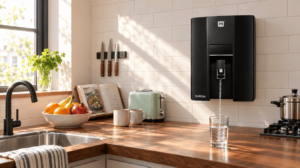


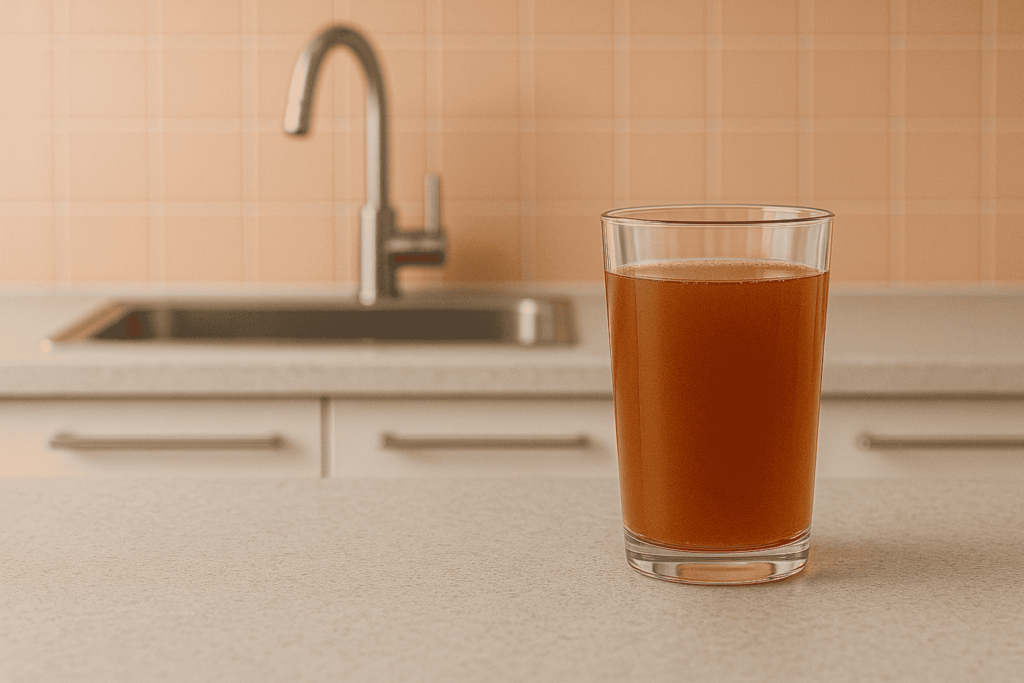
Ever noticed an orange or reddish-brown stain on your sink, bathtub, or laundry? That’s a classic sign of excess iron in your water. It not only stains your fixtures and clothes but can also give your drinking water a metallic taste and cloudy appearance. While iron is an essential mineral, too much of it in your drinking water can cause a number of issues. An iron water filter is the best way to tackle this common problem. Choosing the right iron removal filter is crucial for ensuring clean drinking water. Of course, you might be wondering whether an iron water filter can get rid of your woes. To address your concerns the best, here are a few things you should keep in mind!
Also Read: Best Water Purifiers In Mumbai: How To Choose One For Home
Why is Excess Iron in Water a Problem?
When iron levels in drinking water are too high, it’s easy to notice a metallic taste. This can make the water unpalatable and may even cause digestive issues for some individuals, though it’s not considered a direct health risk in the same way as contaminants like lead or bacteria. However, a quality iron removal filter for home use can protect your plumbing, appliances, and clothes while ensuring your water is clear and great-tasting.
The more visible and costly problems, however, are found around the home. Iron-rich water can cause reddish-brown or orange stains on bathtubs, sinks, and toilets. Your clothes can come out of the washing machine with rusty-looking marks. Appliances that use water, like dishwashers and washing machines, can also get clogged and damaged over time. Hair and skin can also be affected, with hair potentially taking on an orange tint and skin feeling dry and irritated.
The most effective way to address this problem is with an iron water filter. There are various types of iron filter systems designed to tackle this problem, each working as a water filter to remove iron from your supply. Finding the right water filter for iron water is key to preventing these problems.
| Impact Area | Problems Caused by Iron in Water |
| Health | Metallic taste, digestive discomfort, may affect nutrient absorption |
| Appliances & Pipes | Rust stains, clogging, reduced lifespan of geysers, washing machines, and RO systems |
| Clothes & Utensils | Reddish-brown stains, faded fabrics, unpleasant odour in washed clothes |
| Hair & Skin | Dry hair, dandruff, hair fall, itchy or irritated skin |
| Drinking Experience | Metallic taste and odour, making water unpleasant to consume |
Can RO Remove Excess Iron from Water?
Reverse osmosis or RO works by forcing water through a semi-permeable membrane. This membrane has extremely small pores that can trap and reject dissolved solids, including minerals like iron. So, a standard RO system is very good at removing what is known as “ferrous” or dissolved iron, which is clear in the water.
For high concentrations of iron, or for “ferric” iron (the oxidised form that appears as rust particles), an RO system can become clogged. If the RO membrane is exposed to high levels of iron for a prolonged period, it can get fouled, reducing the system’s efficiency and lifespan. This is why, for water with high iron content, pre-treatment is highly recommended. Using a sediment filter or a specific RO water purifier for iron removal with a pre-filter stage will help extend the life of the RO membrane and ensure it continues to function effectively.
Which Water Filter is the Best for Iron Removal?
When it comes to tackling iron in your water, there isn’t a one-size-fits-all solution. The best choice depends on the type and amount of iron you have, along with your budget and what you want to achieve. Let’s break down some of the most common options to help you find the perfect water purifier for iron water.
The most effective iron filter for water is a dedicated iron removal filter for tap water. However, other systems can also help, especially if you have other water issues to address. Here’s a quick comparison of the most popular choices:
Which Water Filter is Best for Iron Removal?
The most effective iron filter for water is a dedicated iron removal filter for tap water. However, other systems can also help, especially if you have other water issues to address. Here’s a quick comparison of the most popular choices:
| Filter Type | How it Works | Pros | Cons |
| Water Softener | Uses a process called ion exchange to remove hardness minerals like calcium and magnesium, and can also trap small amounts of dissolved iron. | Solves hard water issues like scale buildup and dry skin.
Can remove low levels of clear-water iron (typically under 3 ppm). |
Not effective for high levels of iron or rust particles.
High iron levels can “foul” the resin, making it less effective over time. |
| Reverse Osmosis (RO) | Pushes water through a very fine membrane that traps almost all dissolved minerals and contaminants, including iron. | Excellent for removing a wide range of contaminants, including heavy metals and salts.
Improves water taste and odour. |
Best for drinking water only; not a whole-house solution.
High iron levels can clog the membrane, requiring pre-filtration. Wastes a significant amount of water. |
| Dedicated Iron Removal Filter | Oxidizes iron, turning it into solid particles that are then trapped by a filter media. These are often “air injection” or “greensand” systems. | Specifically designed to remove high concentrations of iron.
A whole-house water filtration for an iron solution. Protects all your plumbing and appliances from iron damage. |
Only removes iron and sometimes manganese; doesn’t soften water or remove other contaminants.
Can be more expensive to install. |
| Activated Carbon | Adsorbs contaminants like chlorine, chemicals, and some organic compounds. | Great for improving taste and smell.
Relatively inexpensive and easy to maintain (e.g., pitcher filters). |
Not designed to remove minerals like iron.
It will only remove very low levels of iron, and it can get clogged quickly. |
Understanding Water Softeners for Iron Water
Water softeners are designed to combat hard water by swapping out calcium and magnesium ions with sodium or potassium. While they can handle very low levels of “clear water” iron (the dissolved kind), they are not a true water purifier for iron water. If your iron levels are high, the iron will foul the resin beads, making the softener inefficient at its primary job and requiring frequent regeneration.
How Reverse Osmosis Tackles Iron
An RO system is a great option for purifying drinking water. It uses a very fine membrane to physically block contaminants. While it can remove dissolved iron, it is not a whole-house solution. For water with high iron content, a simple RO system can get clogged very quickly, which is why a water filtration for iron pre-treatment step is essential to protect the RO membrane.
Benefits of a Dedicated Iron Removal Filter
For homes with moderate to high iron problems, a dedicated iron filter for water is the most effective choice. These systems are specifically engineered to oxidise and filter out both dissolved and particulate iron. They work as a whole-house solution, protecting all your appliances and plumbing. This makes a dedicated iron removal filter for tap water the gold standard for effectively dealing with this issue.
Final Thoughts
Getting a handle on your home’s water quality is a huge step toward a healthier and more comfortable life. While a good water filter for iron water is a powerful option, keeping it running smoothly requires a bit of ongoing care.
First, it’s a good idea to get your water tested regularly. This helps you monitor iron levels and ensure your iron removal filter for tap water is doing its job effectively. Additionally, consider using pre-filters, especially if your water has a lot of sediment. These are an extra layer of protection that can prevent your main filter from getting clogged too quickly.
Just like a car, your water purifier needs an annual check-up. Scheduling yearly servicing ensures all the components are working correctly and the filter is still effective. This routine maintenance is key to protecting your investment and guaranteeing a continuous supply of clean, great-tasting water. By following these simple steps, you can say goodbye to rusty stains and metallic tastes for good.
Ready to find the perfect solution for your home? Explore your options for water purifiers on rent with RentoMojo!
Frequently Asked Questions
1. How to remove excess iron from water naturally?
To remove excess iron from water naturally, you can use aeration or sedimentation, which allows iron particles to settle. Adding natural oxidising agents like lemon or chlorine can also help, but they work best for low iron levels. For reliable results, consider iron removal filters or RO water purifiers for drinking water.
2. What happens if my water has too much iron?
If your water has too much iron, it can cause reddish stains on sinks, clothes, and utensils. Drinking iron-rich water often leaves a metallic taste and may lead to digestive issues. Excess iron also damages appliances, clogs pipes, and can cause dry hair, dandruff, and skin irritation, making proper iron removal from water essential.
3. Does RO remove iron from water?
Yes, RO water purifiers remove iron effectively, especially dissolved iron, by passing water through fine membranes. However, RO works best for moderate iron levels. If the concentration is very high, pre-treatment, like an iron filter or oxidation system, is recommended before using RO to ensure safe and clean drinking water.
4. Is it safe to drink water with high iron content?
Drinking water with high iron content is not safe. While small amounts of iron are not harmful, excess iron can cause stomach problems, a metallic taste, and organ stress over time. High iron water also makes beverages like tea or coffee taste unpleasant. Using an RO or iron removal filter is the safest option.
5. Can boiling water remove iron?
No, boiling water does not remove iron. It may kill bacteria, but cannot eliminate dissolved iron or metallic particles. Instead, iron remains in the water and may even concentrate after boiling. To truly remove excess iron from water, you need filtration methods such as RO systems, water softeners, or specialised iron removal filters.