
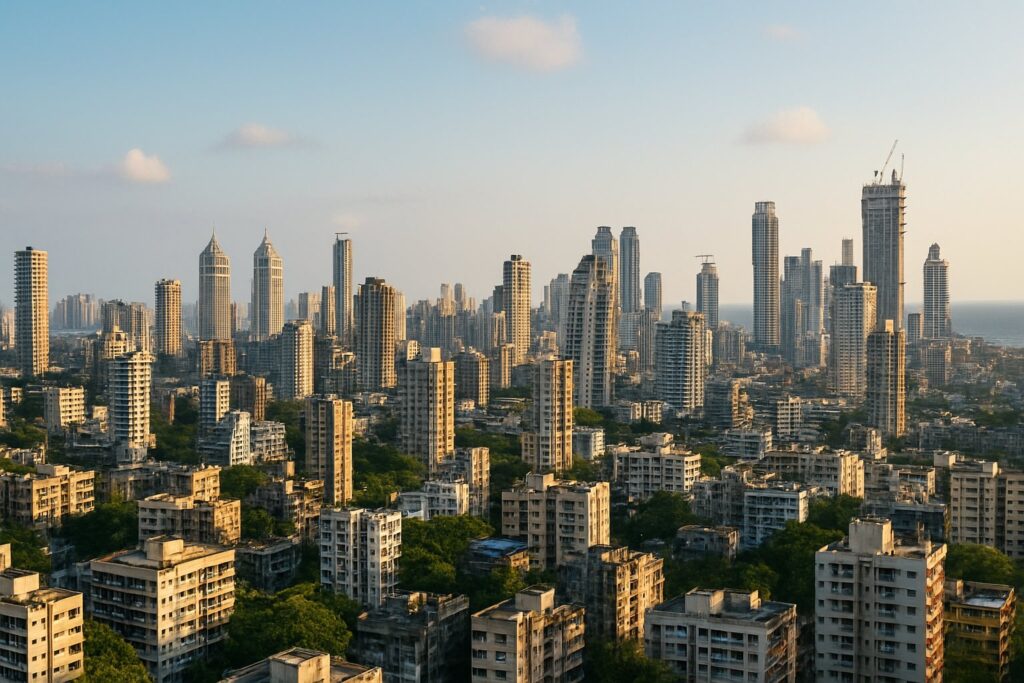
Finding the best places to live in Mumbai can feel overwhelming in a city that never sleeps. With a population of over 20 million, Mumbai offers everything from luxury sea-facing apartments in Worli to budget-friendly family homes in Navi Mumbai. According to the 2024 Mercer Quality of Living Report, Mumbai scores a livability index of 59.6, balancing employment opportunities, education, and lifestyle amenities. Safety is also a key concern—recent data from Numbeo places Mumbai’s Safety Index at 59.36, ranking it safer than Delhi but slightly lower than Bengaluru.
Whether you’re a professional seeking vibrant nightlife, a family looking for schools and green spaces, or someone who values affordability, the best areas in Mumbai vary based on lifestyle needs, commute, and budget. This guide breaks down the top residential localities in Mumbai, helping you decide where to call home and how to make your move stress-free.
Also Read: Manish Market Mumbai: History, What To Buy And Shopping Tips
Factors to Consider Before Choosing Where to Live in Mumbai
When you look for the best places to live in Mumbai, you need to go beyond glossy brochures and online listings. You should consider how each area fits your daily routine, budget, and lifestyle. The best areas in Mumbai are not the same for everyone; you’ll find that what works for a young professional may not suit a middle-class family. Here’s what you should consider before deciding on the good places to stay in Mumbai.
1. Commute & Future Metro Growth
You shouldn’t just calculate distance; you should calculate time. Check how well your area connects today and how future metro lines will reduce travel.
- Present: Lines 2A & 7 (Dahisar–Andheri–Gundavali) are fully operational with boosted frequencies, easing Western Suburbs traffic.
- New links: The underground Line 3 (Aqua) is opening in stages (BKC–Aarey operational since Oct 2024; BKC–Acharya Atre Chowk since May 2025), shrinking South–North travel times. Further sections toward Worli–Cuffe Parade await CMRS approvals. Timelines help you judge appreciation and commute reliability.
- Future: Line 2B (DN Nagar–Mandale) and Line 6 (Swami Samarth Nagar–Vikhroli) will reinforce East–West connectivity; plan for faster access to BKC, Powai, and Eastern corridors. (Line 6 station works ~75% complete as of June 2025; 2B’s Mandale–Chembur section is targeted around late-2025.)
Tip: When comparing the best places to live in Mumbai, shortlist localities that gain a new station or an interchange within 12–18 months of your move.
2. Total Cost of Living (Not Just Rent)
Budget beyond monthly rent: society maintenance, parking, club charges, higher floor premiums, and brokerage. In older buildings, lift upkeep can add up; in new towers, amenities raise maintenance. For the best place to live in Mumbai for middle-class family, balance slightly longer commute with bigger floor plans and lower deposits in Chembur, Mulund, Ghatkopar, or parts of Thane/Navi Mumbai.
Also Read: Top 5 Posh Areas In Mumbai And Average Property Price
3. Monsoon Resilience & Building Condition
Mumbai’s charm comes with heavy rain. You should prioritise buildings with:
- Proper drainage and waterproofing (ask for recent work orders).
- Stilt or basement parking that doesn’t flood.
- Power backup and reliable lifts.
It is important to check ward-level flood history, ground-floor vulnerabilities, and whether the society keeps pumps and DG sets serviced. This is often what separates the best places to stay in Mumbai from the merely convenient.
4. Social Infrastructure: Schools, Healthcare, Daily Errands
Map your week. Are there CBSE/ICSE schools within 20 minutes? Is there a multispecialty hospital, 24×7 pharmacy, and a fresh-produce market nearby? Powai, Andheri, Bandra, Chembur, and parts of Navi Mumbai are strong residential areas in Mumbai for day-to-day convenience. Proximity to coworking hubs (BKC, Lower Parel, Andheri) also matters if you have a hybrid work environment.
Also Read: 6 Best Preschools In Mumbai In 2025: Location, Fees, Facility
5. Lifestyle Fit & Community Norms
Do you prefer a quiet neighbourhood or café culture and nightlife? Some societies are pet-friendly; others restrict bachelors, late-night deliveries, or short-term guests. Coastal areas bring sea breeze—and salt corrosion; inland towers offer larger club amenities. Shortlist the best areas in Mumbai that match your rhythms (morning runs, gyms, parks, sea-face walks).
6. Home Design & Utilities
You should look for cross-ventilation, usable carpet area (avoid layouts with long corridors), sunlight, and noise insulation. Don’t forget to verify water supply, tanker schedules, and TDS if you’ll install a purifier. Test mobile reception and ask which fibre providers service the building; stable internet is a must, even if you commute daily.
Also Read: How To Get A New Gas Connection: Online And Offline Modes
7. Appreciation & Macro Projects
Future-proof your choice. Homes near upcoming interchanges or employment nodes tend to hold value and attract better tenants. Watch metro nodes around BKC, MIDC–SEEPZ, and the Eastern corridor; some coastal and connector projects are also phasing in, changing drive times and rental demand patterns.
8. Paperwork, Policies & Predictability
Confirm society bylaws (bachelors, pets, renovation rules), leave & license registration, and notice periods. In high-demand pockets, predictability beats a marginally cheaper rent. Landlords who provide appliance warranties, pest control, or annual paint touch-ups save you time and surprise costs.
Best Areas in Mumbai by Lifestyle Needs:
| Group | What They Look For | Best Places to Stay in Mumbai | Average Rent Range | Key Advantages |
| Middle-Class Families | Schools, hospitals, safety, and bigger floor space | Powai, Mulund, Navi Mumbai, Chembur | ₹25,000 – ₹60,000 (2BHK) | Family-friendly societies, lower deposits, good social infra, upcoming metro for better connectivity |
| Millennial Professionals | Commute to offices, coworking hubs, nightlife, and metro access | Bandra, Andheri, Lower Parel, Worli | ₹40,000 – ₹1,20,000 (1BHK/2BHK) | Cafés, coworking spaces, strong metro links, vibrant lifestyle, close to business districts |
| Students | Affordable rent, PGs, access to colleges, public transport | Vile Parle, Ghatkopar, Navi Mumbai, Kurla | ₹10,000 – ₹25,000 (shared/1RK) | Budget housing, hostels, easy train/metro access, near universities and coaching centres |
Know about these 10 Best Places in Mumbai to Live
When you search for the best places to live in Mumbai, you often see the same names pop up—Bandra, Powai, Andheri, and Navi Mumbai. But how do you know which one is right for you? The answer depends on your budget, lifestyle, and how close you want to be to work, schools, or hospitals. To help you decide, here’s a breakdown of the 10 best localities in Mumbai that consistently rank at the top.
1. Bandra
If you’re looking for a vibrant social life, Bandra is the best area in Mumbai to live. You’ll find trendy cafés, nightlife, and sea-facing promenades. Top schools like St. Andrew’s High School and hospitals such as Lilavati Hospital are nearby. Bandra also connects easily via the Western Railway, metro, and the Bandra-Worli Sea Link. This is a popular area in Mumbai for professionals and expats.
2. Powai
Powai is one of the best residential areas in Mumbai for middle-class families. You get gated societies, landscaped gardens, and Powai Lake views. Schools like Hiranandani Foundation School and Bombay Scottish (Powai) are within reach, and hospitals such as Dr LH Hiranandani Hospital serve the locality. Powai is also close to IT hubs and coworking spaces, making it attractive for families and young professionals alike.
Also Read: Getting An AC On Rent In Mumbai? Know What To Consider!
3. Andheri
Andheri is one of the good areas to live in Mumbai if you value connectivity. The Western and Metro Lines meet here, making commutes simple. You’ll find hospitals like Kokilaben Dhirubhai Ambani Hospital and schools such as Rajhans Vidyalaya nearby. Whether you’re a student or a millennial professional, Andheri offers affordable housing alongside vibrant nightlife.
4. Worli
If you want luxury, Worli is the best neighbourhood in Mumbai. High-rise towers with sea views dominate the skyline. You’ll have easy access to Podar Hospital, Jaslok Hospital, and premium schools such as Greenlawns School. With the Sea Link nearby, the South and Western suburbs are just minutes away.
5. Lower Parel
Lower Parel has transformed from a mill area into one of the best areas in Mumbai to live for professionals. It’s home to corporate offices, luxury malls like High Street Phoenix, and premium schools like Holy Cross High School. For healthcare, you have Wockhardt Hospital within reach. If you love work-life balance with nightlife, this is your spot.
Also Read: Packers And Movers In Mumbai: How To Find Out The Fraud Ones
6. Navi Mumbai
For middle-class families, Navi Mumbai is among the best residential areas in Mumbai for middle class households. You’ll get larger flats, lower deposits, and planned infrastructure. Reputed schools such as Ryan International and hospitals like Apollo Hospital (Belapur) make this a great family choice. With metro projects and trans-harbour links coming up, Navi Mumbai is a future-ready option.
7. Chembur
Chembur is considered one of the best areas to stay in Mumbai with family. It connects the harbour line, freeways, and Eastern Expressway. You’ll find schools like St. Gregorios High School and hospitals such as Zen Multispeciality Hospital here. Chembur gives you a balance of affordability, connectivity, and social life.
8. Juhu
Juhu is not only famous for its beach but also for being the best locality in Mumbai for celebrities and luxury seekers. You’ll find Jamnabai Narsee School and Nanavati Hospital within reach. Juhu’s mix of bungalows and high-rises makes it a popular area in Mumbai, though rents are among the city’s highest.
9. Thane
Thane is now considered one of the best places to live in Mumbai thanks to its improved infrastructure and affordability. It offers schools like Singhania School and hospitals such as Jupiter Hospital. With malls, lakes, and open spaces, Thane is ideal for families seeking space without leaving Mumbai’s ecosystem.
Also Read: Best Water Purifiers In Mumbai: How To Choose One For Home
10. Colaba
Colaba blends heritage charm with modern conveniences, making it one of the best neighbourhoods in Mumbai. You’re close to landmarks like the Gateway of India, schools such as Campion School, and hospitals like Bombay Hospital. Colaba is perfect if you want South Mumbai’s culture, shopping, and proximity to offices.
11. Mulund
Mulund is one of the best residential areas in Mumbai for middle-class families who want peace without leaving the city. Known as the “Prince of Suburbs,” it offers a balance of affordability and greenery. Schools like DAV International and NES International School serve the locality, while Fortis Hospital Mulund provides top healthcare. With upcoming metro lines improving connectivity to BKC and Thane, Mulund is fast becoming a good area to live in Mumbai for families who want open spaces, parks, and strong community vibes.
Cost & Amenities in the Best Places to Live in Mumbai:
| Area | Avg. Monthly Living Cost (for 2 people) | 1BHK Rent (per month) | 2BHK Rent (per month) | Key Amenities Nearby |
| Bandra | ₹80,000 – ₹1.2L | ₹50,000 – ₹80,000 | ₹80,000 – ₹1.5L | Lilavati Hospital, St. Andrew’s High School, Sea Link, cafes, nightlife |
| Powai | ₹60,000 – ₹90,000 | ₹35,000 – ₹55,000 | ₹60,000 – ₹90,000 | Hiranandani Hospital, Hiranandani Foundation School, Powai Lake, malls |
| Andheri | ₹50,000 – ₹85,000 | ₹30,000 – ₹50,000 | ₹55,000 – ₹85,000 | Kokilaben Hospital, Rajhans Vidyalaya, metro connectivity, malls |
| Worli | ₹1.2L – ₹2.5L+ | ₹70,000 – ₹1L | ₹1.2L – ₹2.5L | Jaslok Hospital, Greenlawns School, Sea Link, luxury towers |
| Lower Parel | ₹90,000 – ₹1.5L | ₹55,000 – ₹80,000 | ₹90,000 – ₹1.5L | Wockhardt Hospital, High Street Phoenix, Holy Cross School, offices |
| Navi Mumbai | ₹40,000 – ₹65,000 | ₹15,000 – ₹30,000 | ₹30,000 – ₹55,000 | Apollo Hospital, Ryan International School, planned infra, green spaces |
| Chembur | ₹45,000 – ₹70,000 | ₹20,000 – ₹35,000 | ₹35,000 – ₹60,000 | Zen Hospital, St. Gregorios School, Eastern Freeway, golf course |
| Juhu | ₹1.2L – ₹2L+ | ₹70,000 – ₹1.2L | ₹1.5L – ₹3L | Nanavati Hospital, Jamnabai Narsee School, Juhu Beach, a celebrity hub |
| Thane | ₹45,000 – ₹70,000 | ₹20,000 – ₹35,000 | ₹35,000 – ₹60,000 | Jupiter Hospital, Singhania School, lakes, malls, metro projects |
| Colaba | ₹1L – ₹2L+ | ₹70,000 – ₹1.2L | ₹1.2L – ₹2.5L | Bombay Hospital, Campion School, Gateway of India, cafes, boutiques |
| Mulund | ₹40,000 – ₹65,000 | ₹20,000 – ₹30,000 | ₹35,000 – ₹55,000 | Fortis Hospital, DAV International School, gardens, and upcoming metro |
Also Read: How To Move: Check Out This Simple Checklist For Relocation
How Mojo Mover Helps You Relocate Across Mumbai
Once you’ve chosen among the best places to live in Mumbai, the next big challenge is moving your home without stress. That’s where Mojo Mover, RentoMojo’s dedicated packers and movers in Mumbai, makes the difference. Unlike local movers, Mojo Mover is designed for city living. You don’t have to worry about damaged furniture, delayed timelines, or hidden costs. Here’s how we make your relocation smoother:
1. End-to-End Packing & Moving: Whether you’re shifting to a compact 1BHK in Andheri or a spacious 2BHK in Powai, Mojo Mover handles everything—from packing to unloading.
2. Local Expertise: Since we operate only within Mumbai, we know the city’s traffic patterns, narrow lanes, and society rules. That local knowledge helps you move faster into the best area in Mumbai to live.
3. Safe & Secure Transport: Your furniture and appliances are handled with care, reducing the risk of damage. This is especially useful when you’re moving into high-rise towers in Bandra, Worli, or Lower Parel.
4. Flexible Services: Whether you’re a family choosing the best residential areas in Mumbai for middle class like Mulund or Thane, or a professional moving closer to Lower Parel offices, Mojo Mover adapts to your needs.
5. Hassle-Free Setup: Moving isn’t just about transport. Mojo Mover also helps you settle in quickly, so you can start enjoying your new home in one of the best places to live in Mumbai without delays.
With Mojo Mover, relocating across Mumbai doesn’t have to be stressful. You pick the neighbourhood, and we’ll make sure the move is simple, safe, and on time.
Also Read: 5 Benefits Of Choosing Office Shifting Services In Mumbai
Final Thoughts
Finding the best places to live in Mumbai comes down to matching your lifestyle with the right neighbourhood—whether it’s Bandra’s buzzing nightlife, Powai’s family-friendly lakeside vibe, or Mulund’s peaceful greenery. Each area offers its own blend of schools, hospitals, and daily conveniences, but the choice ultimately depends on your priorities—be it affordability, luxury, or connectivity.
Once you’ve chosen the best area in Mumbai to live, the next step is moving there without hassle. That’s where Mojo Mover, RentoMojo’s trusted packers and movers in Mumbai, makes the process seamless. From careful packing to safe transport and timely setup, Mojo Mover ensures your relocation is smooth so you can focus on settling into your new home and exploring your neighbourhood!
Also Read: Packers And Movers In Mumbai For A Short Distance: Worth It?
Frequently Asked Questions
1. Which is the Richest Part of Mumbai?
The richest part of Mumbai is South Mumbai, especially areas like Malabar Hill, Cuffe Parade, and Worli. These best neighbourhoods in Mumbai are home to luxury apartments, sea-facing bungalows, and premium amenities, making them the most expensive and exclusive residential zones in the city.
2. Which is the Safest Place to Live in Mumbai?
Powai, Bandra, and Navi Mumbai are considered the safest places to live in Mumbai. These good areas to live in Mumbai have gated societies, strong community networks, and 24×7 security, making them ideal for families and professionals seeking safety and convenience.
3. Which is the most affordable area in Mumbai?
Navi Mumbai, Thane, and Mulund are among the most affordable areas in Mumbai. These best residential areas in Mumbai for middle class families offer larger homes, lower deposits, and better value compared to South or Western suburbs, without compromising on connectivity or social infrastructure.
4. Which is cheaper, Andheri East or West?
Andheri East is cheaper than Andheri West. While West has premium cafés, nightlife, and proximity to Juhu, Andheri East offers lower rent, better affordability, and is closer to business parks, making it the best area in Mumbai to live for professionals on a budget.
5. What is the minimum cost of living in Mumbai?
The minimum cost of living in Mumbai starts around ₹25,000–₹35,000 per month for a single person in affordable areas like Navi Mumbai, Chembur, or Mulund. This includes rent, food, and utilities. Costs rise significantly in premium areas like Bandra, Worli, or Colaba.