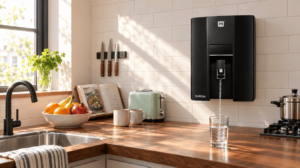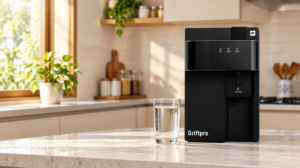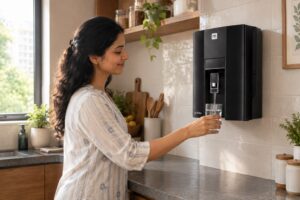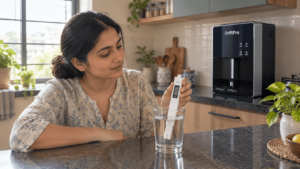


We all know that you cannot drink tap water in India. Hence, water purifiers come to the rescue! However, many feel concerned about the quality of water purifiers. Is it safe to drink? Do the minerals die? Is boiled water the best option out there? While there is information and misinformation about RO, UV, or advanced water purifiers, it’s high time to address them. Let’s explore the myths and misconceptions about the best water purifiers for home.
Also Read: Is RO Water Good For Your Health? Find Out All The Answers!
11 Misconceptions about the Best Water Purifier for Home
When you’re looking for the best water purifier for your home, you’ll encounter many ideas that aren’t quite true. It’s important to separate fact from fiction. Many believe that boiling water is enough, or that all purifiers are the same. Others worry about losing essential minerals or about high maintenance costs. Knowing the truth behind these common myths will help you choose the right water purifier for healthy drinking water.
Myth 1: Boiling Water is Enough for Pure Water
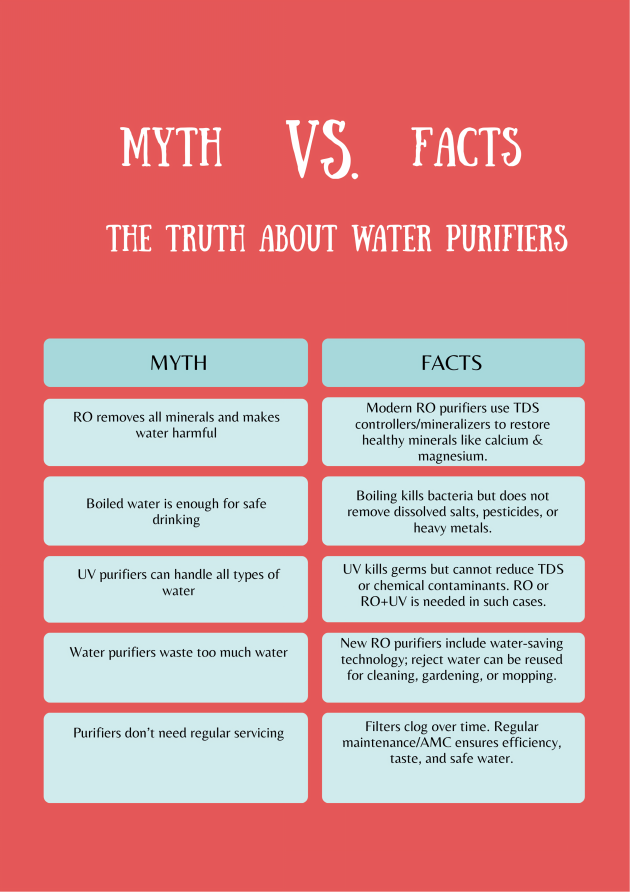
You might think that simply boiling your tap water makes it completely safe to drink. While boiling does kill many bacteria, viruses, and other harmful microorganisms, it doesn’t remove everything. It cannot get rid of dissolved impurities like heavy metals such as lead or arsenic, pesticides, or chemical contaminants like chlorine. These harmful substances remain in the water, and in some cases, boiling can even increase their concentration as water evaporates. For genuinely pure water, especially in areas with high levels of industrial or agricultural pollution, relying solely on boiling is not enough. A good water purifier for the home offers comprehensive protection against a wider range of pollutants.
Did You Know?
Most Indians believe boiling water removes all impurities, but it only kills bacteria. It cannot remove dissolved salts, pesticides, or heavy metals. That’s why RO + UV purifiers are recommended for areas with high TDS or chemical contamination.
Myth 2: All Water Purifiers are the Same
You might assume that any water purifier will do the job, but this isn’t true at all. There are many different types of water purification technologies, and each one targets specific kinds of contaminants. For example, a UV water purifier is excellent at killing bacteria and viruses but doesn’t remove dissolved solids or chemicals. An RO water purifier, on the other hand, is designed to remove dissolved impurities, heavy metals, and most microorganisms. Gravity-based filters are simpler and less expensive but offer limited purification. To find the best water purifier for your home, you need to understand your specific water quality and choose a system that addresses those particular issues, not a generic solution.
Also Read: Best Water Purifiers In Mumbai: How To Choose One For Home
Myth 3: RO Water Purifiers Waste Too Much Water
You may have heard that RO water purifiers waste a lot of water, making them inefficient or environmentally unfriendly. While older RO systems did produce more wastewater, modern RO water purifier models are much more efficient. Many contemporary systems have advanced water-saving technologies that significantly reduce the amount of water discharged. This rejected water isn’t necessarily “waste” either; depending on your setup, it can often be collected and reused for non-drinking purposes like watering plants, cleaning floors, or flushing toilets. So, while some water is used in the purification process, the perception of excessive waste in the best water purifier for home with RO technology is largely outdated.
Myth 4: UV Purifiers Remove Dissolved Solids
UV (Ultraviolet) technology works only on microorganisms like bacteria and viruses. It kills germs by breaking down their DNA but does not remove dissolved solids, salts, or chemicals. So, if your water has high TDS (Total Dissolved Solids), a UV purifier alone will not make it safe. RO (Reverse Osmosis) technology, on the other hand, uses a semi-permeable membrane to filter out dissolved salts, heavy metals (like lead, arsenic), and chemical impurities along with microbes. That’s why the best water purifier for home often combines RO + UV + UF technologies. Together, they ensure protection from both dissolved impurities and harmful microorganisms, making your drinking water truly safe.
Myth 5: Water Purifiers Remove Essential Minerals
You might worry that using a water purifier, especially an RO water purifier, will strip your drinking water of essential minerals like calcium and magnesium, making it “dead water.” While RO does remove most dissolved solids, including some beneficial minerals, this myth often overlooks a crucial point. Your body primarily gets essential minerals from a balanced diet rich in fruits, vegetables, and other foods, not mainly from drinking water. Furthermore, many of the best water purifiers for home models today, particularly advanced RO + UV water purifiers, come with mineralisers or TDS controllers that add back essential minerals after purification. This ensures you get clean water that is also healthy and tasty.
Also Read: TDS For Drinking Water: How Much TDS Is Healthy In Water?
Myth 6: Filtered Water Tastes Bad
You might have heard that purified water tastes flat or bland compared to tap water. This is another common myth. In reality, a good water purifier for the home significantly improves the taste and odour of your drinking water by removing chlorine, sediment, and other impurities that can give tap water an unpleasant flavour. While RO water purifier systems can sometimes lead to a “flat” taste due to the removal of all dissolved solids, many purifiers now incorporate taste enhancers or mineralisers to improve the palatability. So, instead of tasting bad, filtered water is usually much more refreshing and enjoyable, encouraging you to drink more and stay hydrated.
Myth 7: All Contaminants Are Visible in Water
You might think that if your tap water looks clear and doesn’t smell bad, it must be safe to drink. This is a dangerous myth. Many of the most harmful contaminants in water are invisible to the naked eye and odourless. These include microscopic bacteria and viruses, dissolved heavy metals like lead and arsenic, and various chemical pollutants from industrial or agricultural runoff. You simply cannot tell if water is safe by looking at it or smelling it. That’s why having the best water purifier for home is crucial. Technologies like RO and UV work on these hidden threats, ensuring that even seemingly clean water is truly safe for consumption.
Also Read: Can You Reuse RO Waste Water? 6 Ways To Use Reject RO Water!
Myth 8: Water Purifier Maintenance is Too Expensive
You might be hesitant to invest in a water purifier because you believe the ongoing maintenance costs will be too high. While it’s true that filters and membranes need regular replacement, the cost is often exaggerated. The actual expense depends on your water quality, usage, and the specific model of your water purifier for home. Many modern purifiers are designed for easy and relatively affordable maintenance. When you consider the cost of regularly buying bottled water or the potential health expenses from consuming contaminated tap water, the investment in the best water purifier for home and its maintenance becomes a small price to pay for your family’s health and peace of mind.
Myth 9: Only RO Purifiers are the Best
You might believe that an RO water purifier is the only truly effective type of purification system. While RO water purifier systems are excellent at removing a wide range of dissolved impurities, they are not always the only or best water purifier for home for every situation. If your home’s water supply has low TDS levels but is prone to microbial contamination, a UV water purifier might be a sufficient and more cost-effective choice without the water wastage associated with RO. For specific needs, other technologies like UF (Ultrafiltration) or activated carbon filters can be highly effective. The “best” purifier depends on your specific water quality report, not a blanket assumption that only RO is superior.
Also Read: Best pH Level Of Drinking Water: Is 9.5 Good For You?
Myth 10: You Don’t Need a Purifier if You Have Municipal Water
You might assume that because your home receives treated municipal water, you don’t need a water purifier. This is a common but risky myth. While municipal treatment plants do follow certain standards, water can pick up contaminants from old pipes, storage tanks, or even during unforeseen issues in the supply chain. Things like chlorine (used for disinfection), rust from pipes, or even some bacteria can still reach your tap. A water purifier for home acts as a final barrier, ensuring that any residual impurities or new contaminants picked up along the way are removed, providing you with clean and healthy drinking water right in your kitchen.
Also Read: How To Calculate TDS for Drinking Water At Home
Myth 11: More Stages of Purification Mean Better Water
You might think that a water purifier with more “stages” of filtration automatically means it’s the best water purifier for home and will give you purer water. While multi-stage purification is important, simply having more stages doesn’t always translate to superior purity. What truly matters is the type and effectiveness of each stage in addressing your specific water contaminants. For example, a 5-stage RO + UV water purifier with high-quality membranes and filters designed for your water type can be far more effective than a 10-stage system with lower-quality components. It’s about smart engineering and targeted filtration, not just a higher number of steps.
Myth 12: Purifiers are Unnecessary if the Water Looks Clean
Clear water can still be unsafe. Even if it looks fine, it may contain invisible contaminants like lead, industrial chemicals, or excess salts. According to BIS standards, safe water depends on proper TDS levels—not appearance. Installing the best water purifier for home ensures your family is protected from hidden pollutants, regardless of how clean the water looks.
In conclusion, navigating the world of water purifiers means understanding the facts behind common myths. Don’t fall for misconceptions about boiling water, filter stages, or maintenance costs. By knowing the truth about what makes the best water purifier for home, you can make an informed decision to ensure your family enjoys consistently clean, safe, and healthy drinking water every day. If you are at wits’ end to find the right water purifier for your home, you can head over to RentoMojo and check out our water purifiers for rent. We offer flexible tenures, free maintenance, and many more benefits. Check out RentoMojo now!
Frequently Asked Questions
1. Do we really need a water purifier?
Considering that tap water can contain various contaminants like chlorine, lead, and microorganisms, a water purifier significantly enhances its safety and taste. While municipal water is treated, a purifier acts as an extra layer of protection, ensuring cleaner, healthier drinking water for your household.
2. Does a water purifier really purify water?
Yes, a water purifier genuinely purifies water by removing various impurities like contaminants, bacteria, viruses, and dissolved solids, making it safe and healthy for consumption. Different types of purifiers use technologies such as RO, UV, and activated carbon to effectively filter out harmful substances, significantly improving water quality.
3. Is RO water 100% pure?
No, RO water is not 100% pure, though it’s very close. While RO systems are highly effective at removing a significant percentage of dissolved solids, contaminants, and impurities, they can’t achieve absolute purity. There will always be a minute trace of dissolved substances remaining, which is why you’ll still get a small TDS reading, typically between 10-50 ppm, even with highly efficient RO purifiers.
4. Is drinking RO water safe?
Yes, drinking RO water is generally considered safe and can be very beneficial as it effectively removes a wide range of contaminants, including heavy metals, chemicals, and dissolved solids.
5. Is it harmful to boil RO water?
No, it is generally not harmful to boil RO water, though it’s often unnecessary as RO systems already remove most contaminants, including microorganisms. Boiling RO water might further enhance taste by reoxygenating it or provide an extra layer of disinfection, but it won’t add back the beneficial minerals removed during the RO process.